Mysuru to Ooty
This leg of the trip had just about everything temples, palaces and spectacular scenery. We would travel through mountains, fields and city.
Chamundeshwari Temple
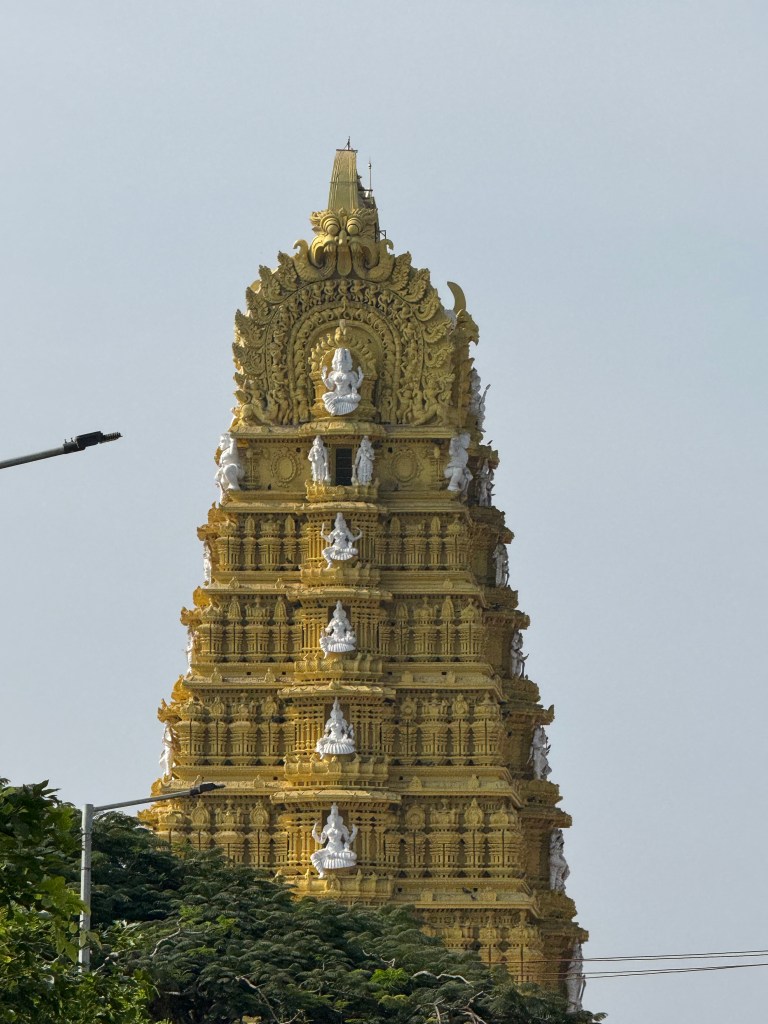
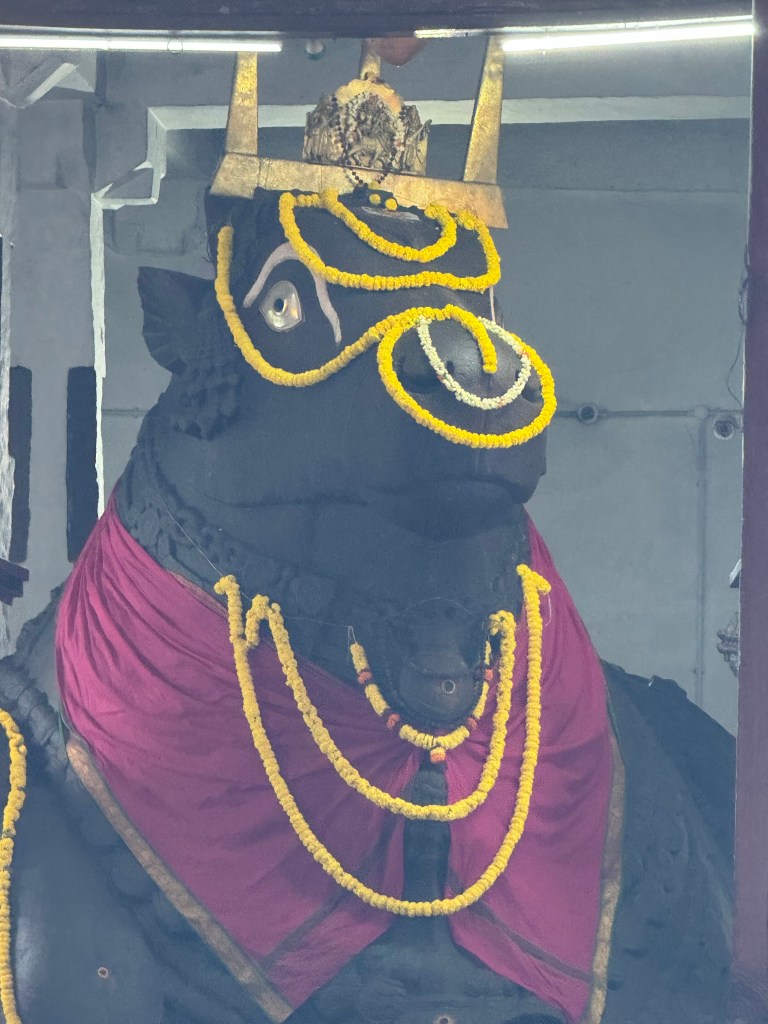
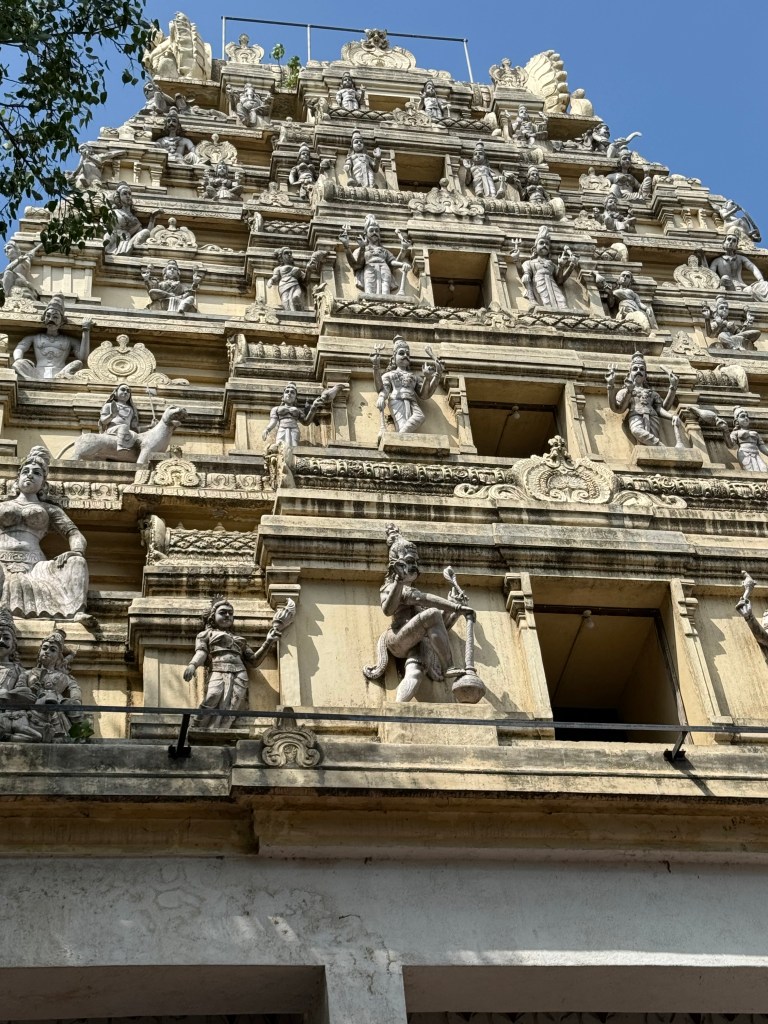
After breakfast (I love curry but not first thing in the morning so it was boiled eggs for me) we travelled 13km out of Mysuru (Mysore) into the Chamundi Hills and our first temple of the day. Standing 3,000ft above sea level the Chamundeshwari Temple sits high on a hill surveying the scenery below.
As you enter the temple site you are greeted by a statue of the buffalo demon Mahishasura.

Mahishasura ruled the surrounding area and was, apparently, a thoroughly unpleasant sort. He loved to torture innocents and his attitude to women would allegedly give a whole new meaning to the word misogyny. Being a bit full of himself the demon asked Brahma to grant him immortality. Brahma (presumably spotting a maniac when he sees one)refused but granted him a second wish that he could only be killed by a woman (who being so weak and inferior would never be able to do so of course)
BIG mistake because along came the goddess Durga, a lion riding warrior goddess, and to cut a long story short his wish was granted and he was duly killed…by a woman.
This story highlights what would become something of a running theme on this trip. Durga is an incarnation of Parvati the wife of Shiva. By the end of the trip we would come to think that every strong woman was an incarnation of Parvati and every strong man was an incarnation of Shiva.
Parvati/Durga is also known as Chamundeshwari (the state goddess of Karnataka) hence the name of temple. Oh unless your from northern karnataka when apparently its Bhuvaneshwari…see this complicated rigmarole is why we call it travelling not holiday!
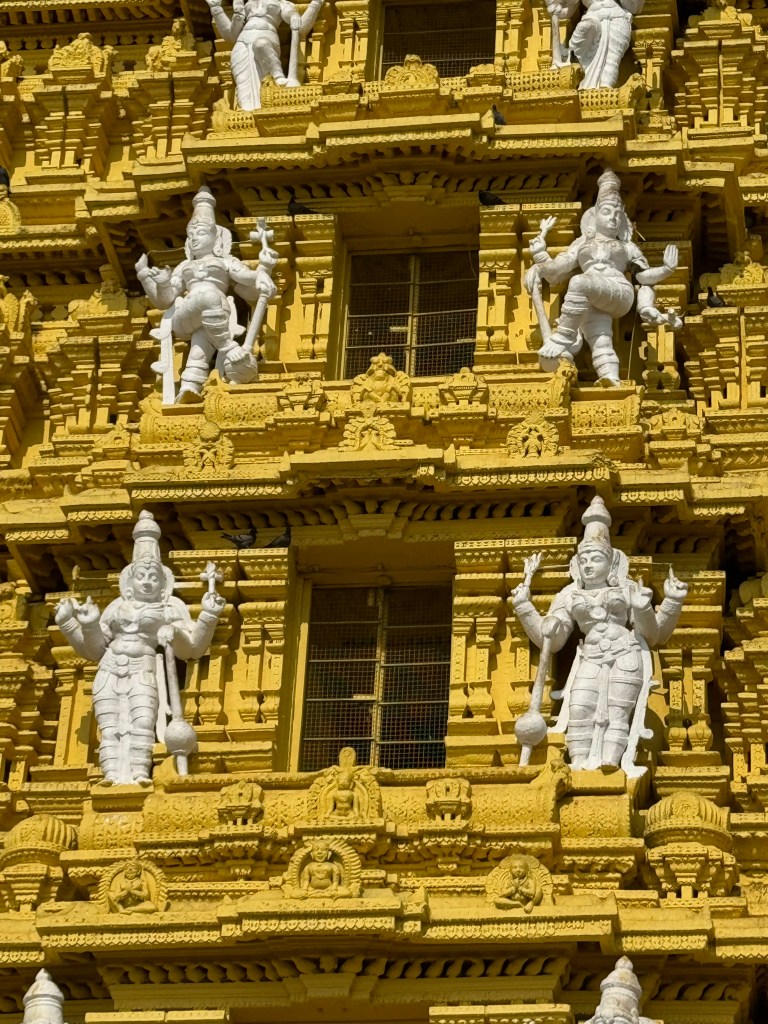
Anyway, the temple is impressive and beautiful. In its original form it is 1000 years old but the main entrance tower was built in the 17th century with a thousand step staircase built up the hill in 1659.

The Kalasha Rites
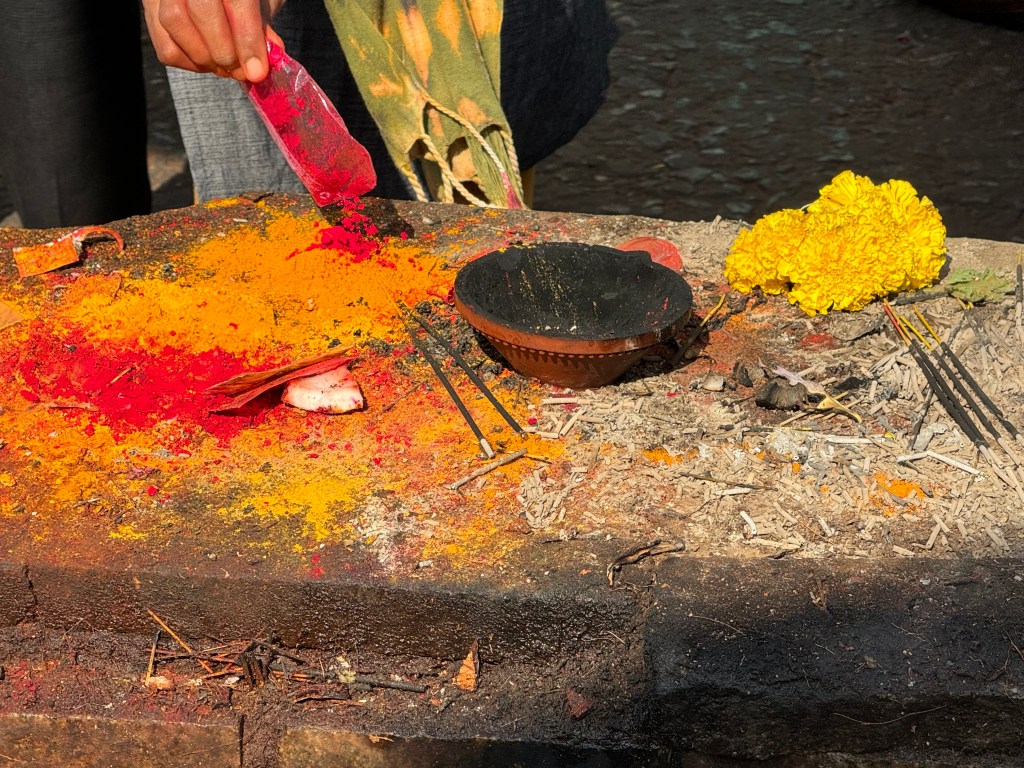
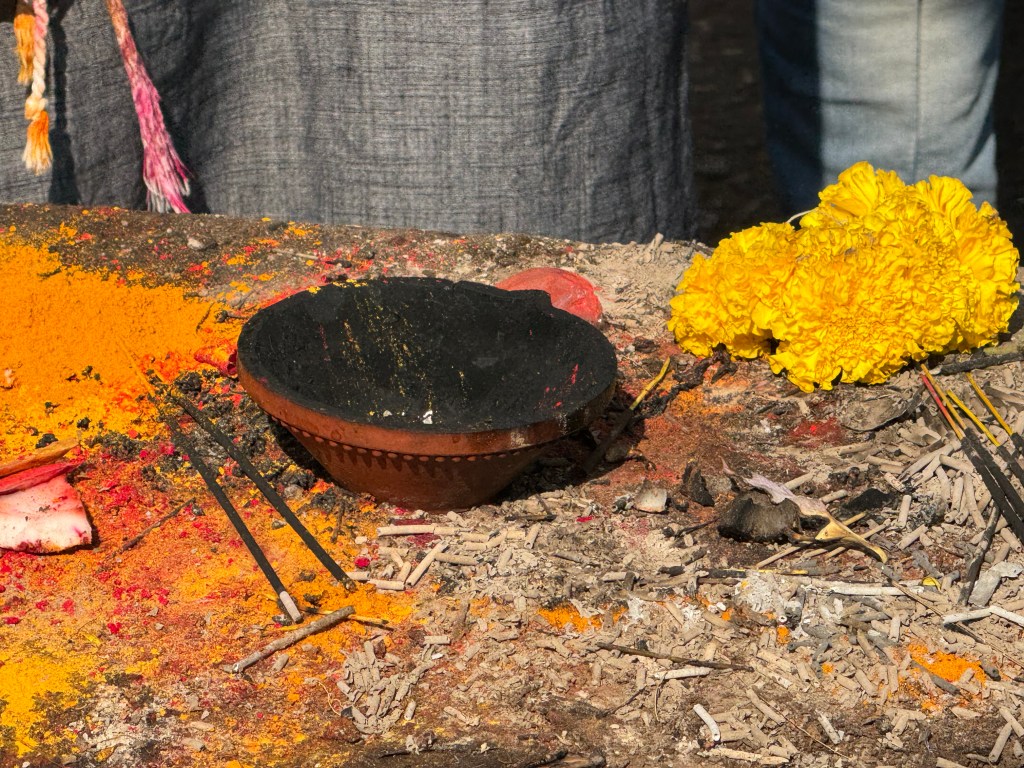
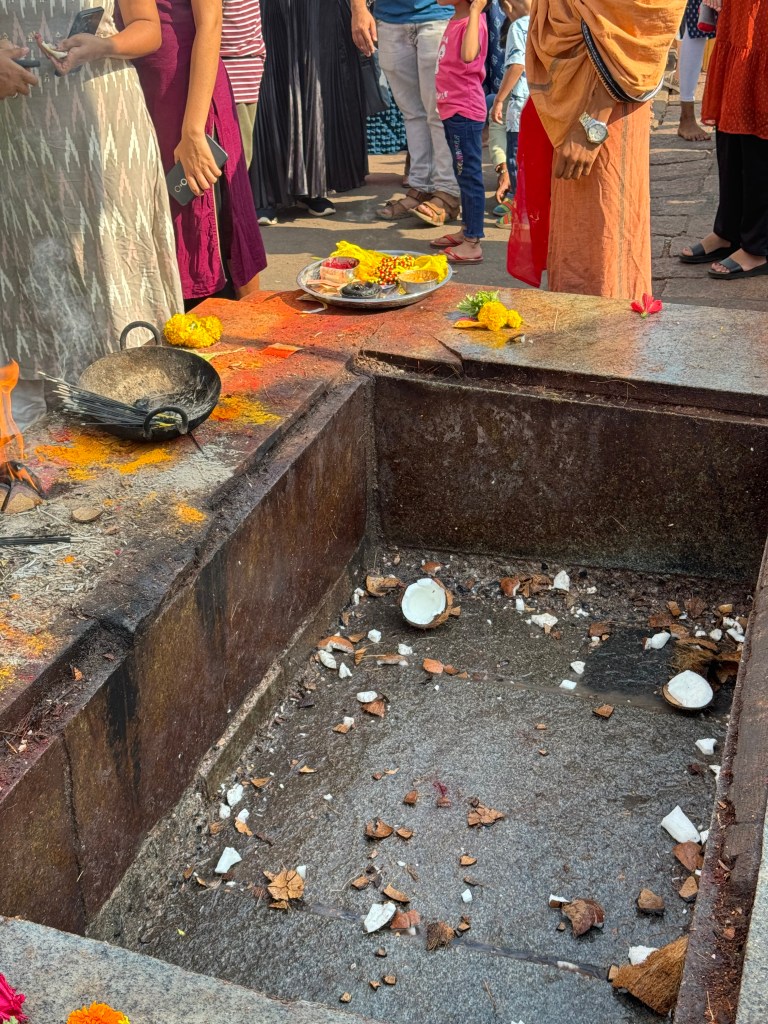
In front of the temple people were carrying out the Kalasha Rites. This involves smashing then burning a coconut and symbolises a new beginning or opening yourself to god or bringing good fortune (if you’re looking for simple meanings, I suspect Hinduism and this blog ain’t the place…maybe the next one about California)
The area surrounding Chamuneshwari became known as Mahishooru (after the demon). Along came the British and, as usual, anglicised it to Mysore and Karnataka has now reclaimed it and uses the Kannada title of Mysuru.
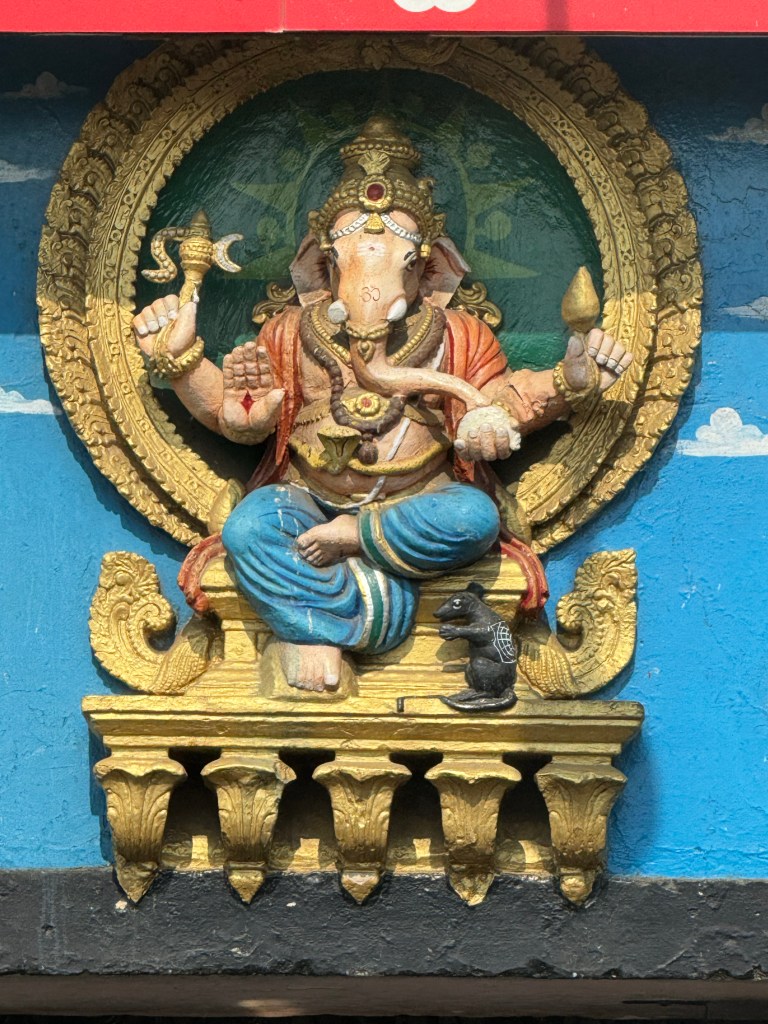
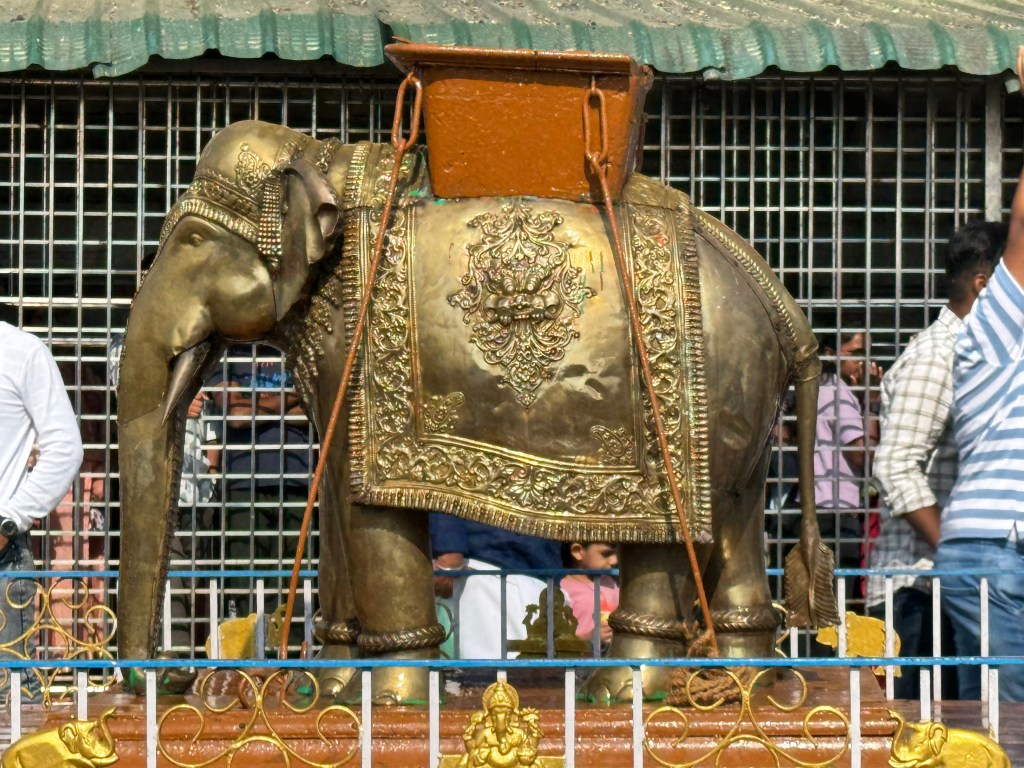
Elephants and in particular the elephant headed god Ganesha also have a role to play at Chamundeshwari…and it wouldn’t be India without a monkey.

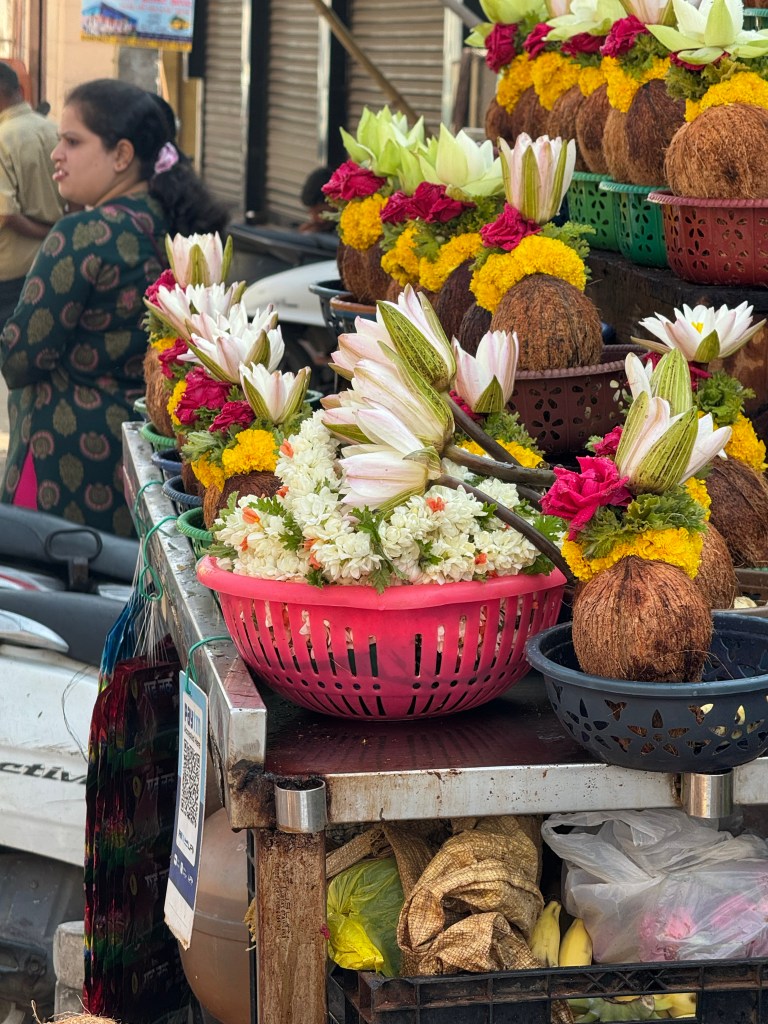
There is also a small market catering for both the Hindu Worshipper and the foreign tourist.


Devaraja Market
We left the temple and headed back in to the City for a stroll around the main market. The market dates back to the time of Tipu Sultan (see part 1) and pretty much if it exists in India you can buy it here. There are many markets in Mysuru but Devajara is the oldest.
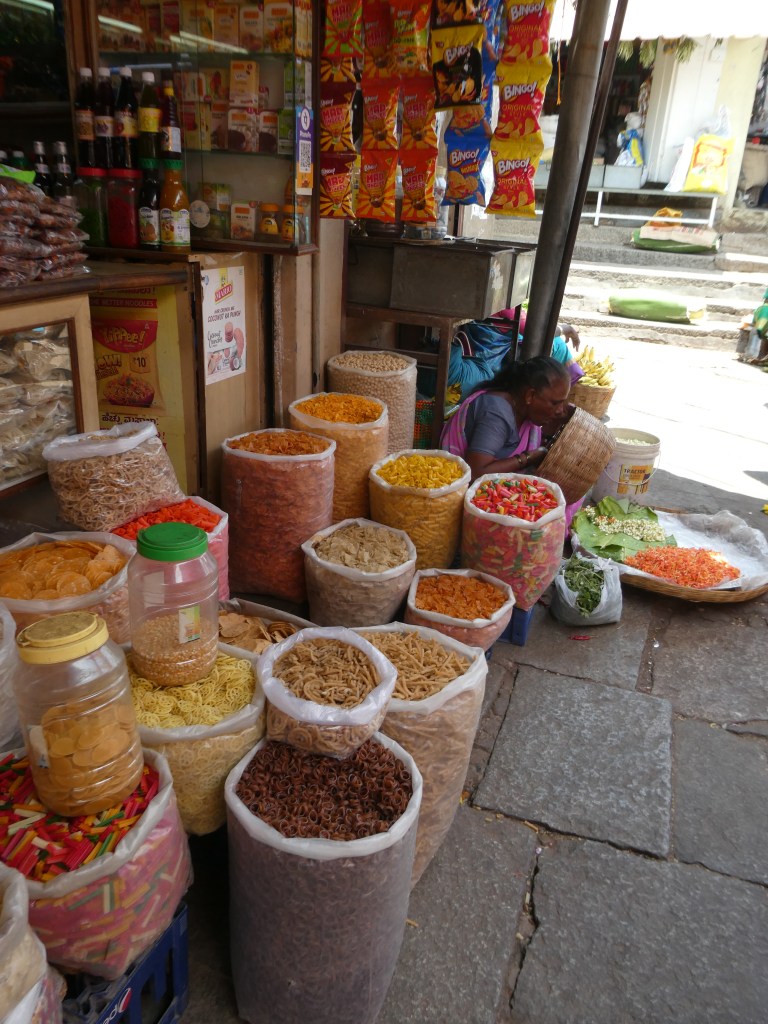
There were colourful spices…

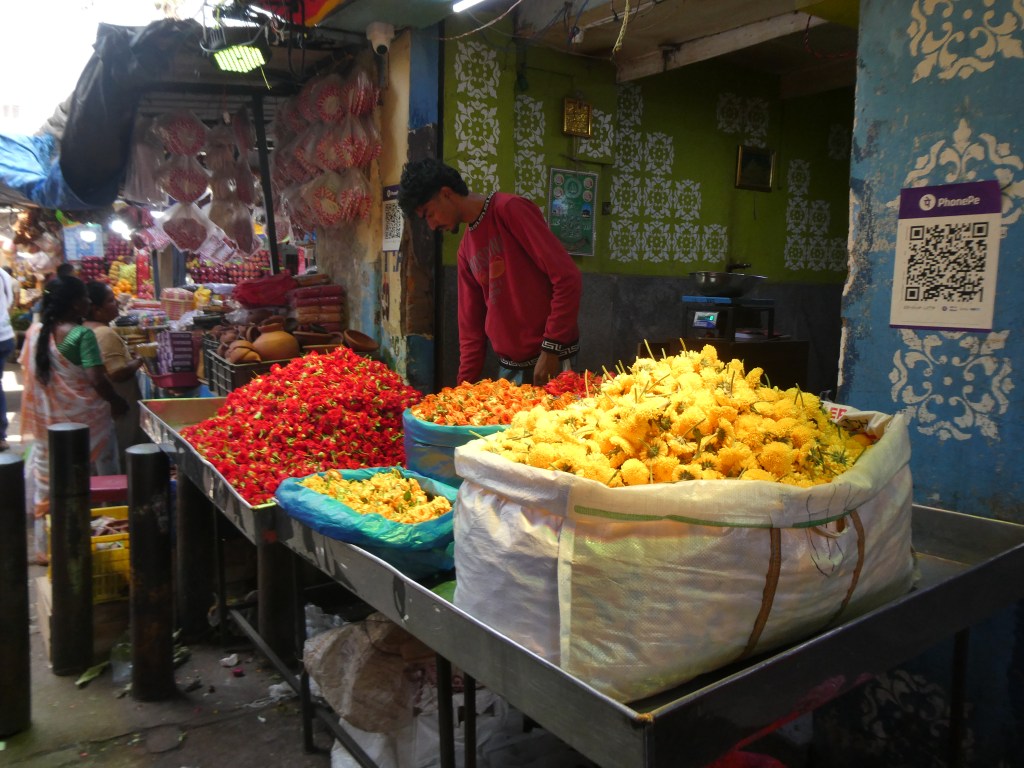
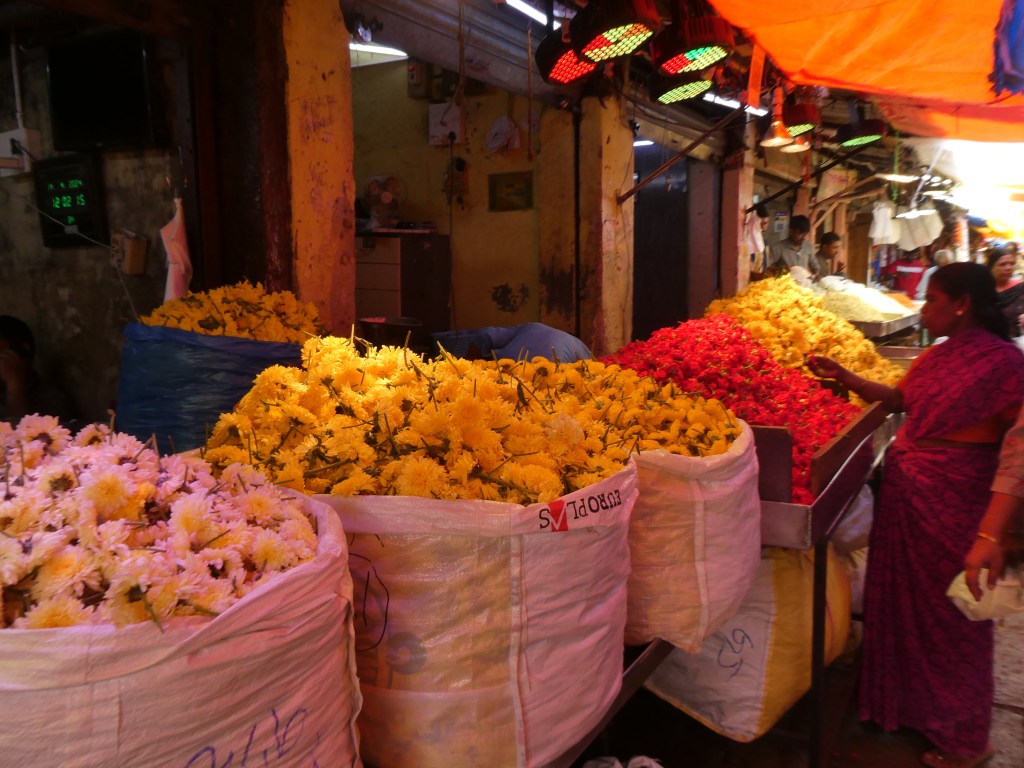
Beautiful flowers…



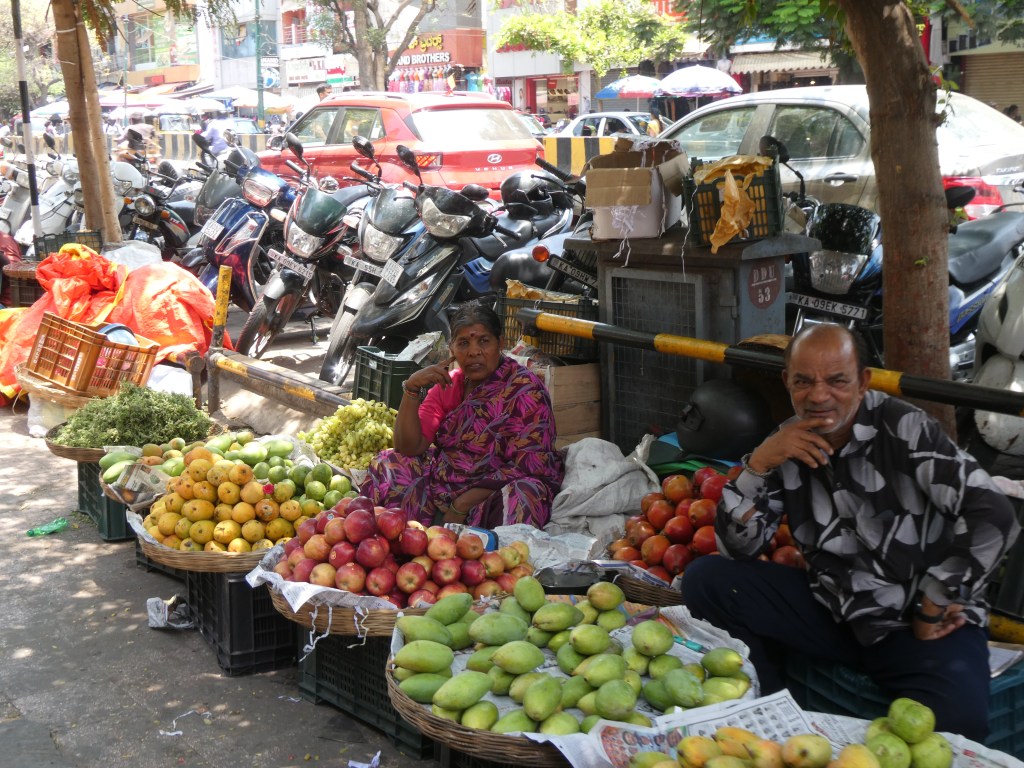
A cornucopia of fruit…

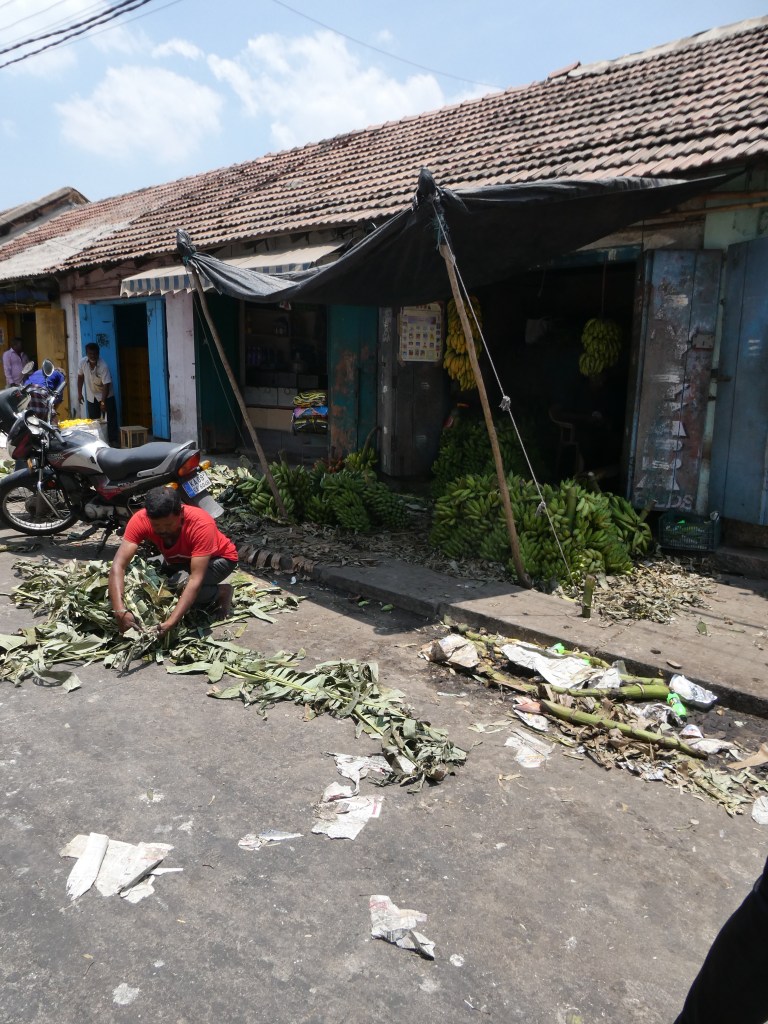
A wholesale banana market…

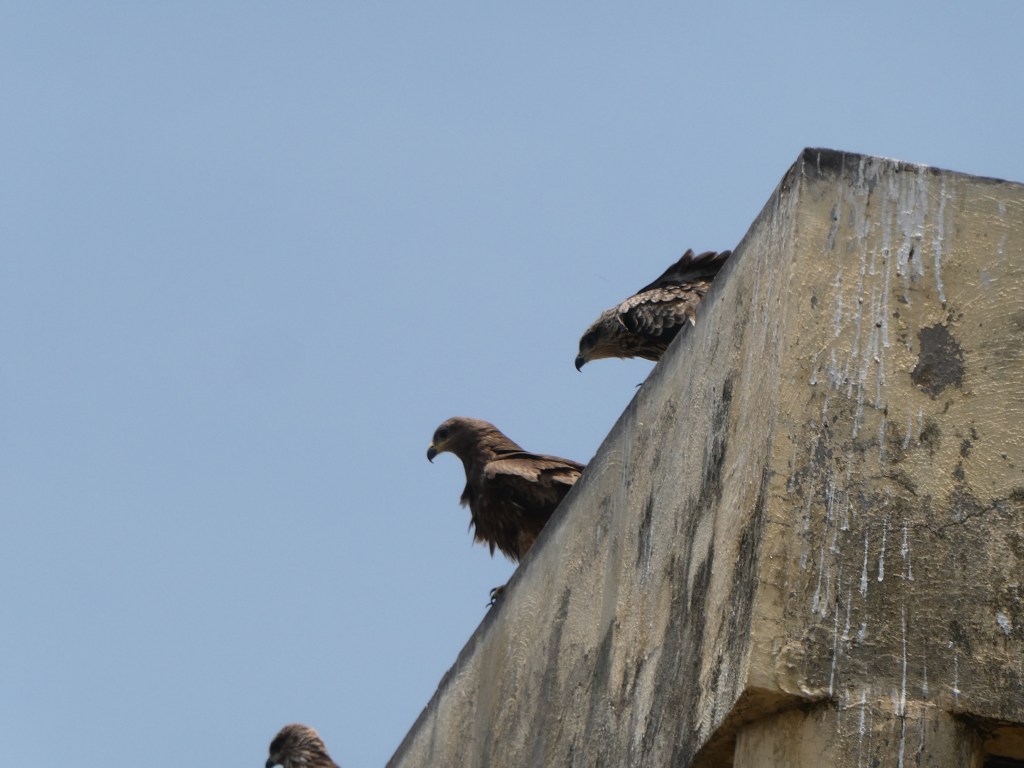
Oh and an entire street long parapet of raptors staring hungrily at the caged live chickens on the stalls opposite…

Mysore Palace (Amba Vilas)
After a pretty boring lunch in a non descript shopping mall next to our hotel, Subway wasnt how we expected to be eating in this part of the world, we moved on to the truly spectacular Mysore Palace.

Built between 1879 and 1912 the Palace was designed by English Architect Henry Irwin and replaced the original wooden fort which had stood on this site since the 14th century. It is the ancestral home of the Wadiyar Dynasty who were Maharajahs of Mysore from the 1300s until 1950 and is still owned by the Wadiyar family.
Mysore Palace is second only to the Taj Mahal as a tourist attraction in India
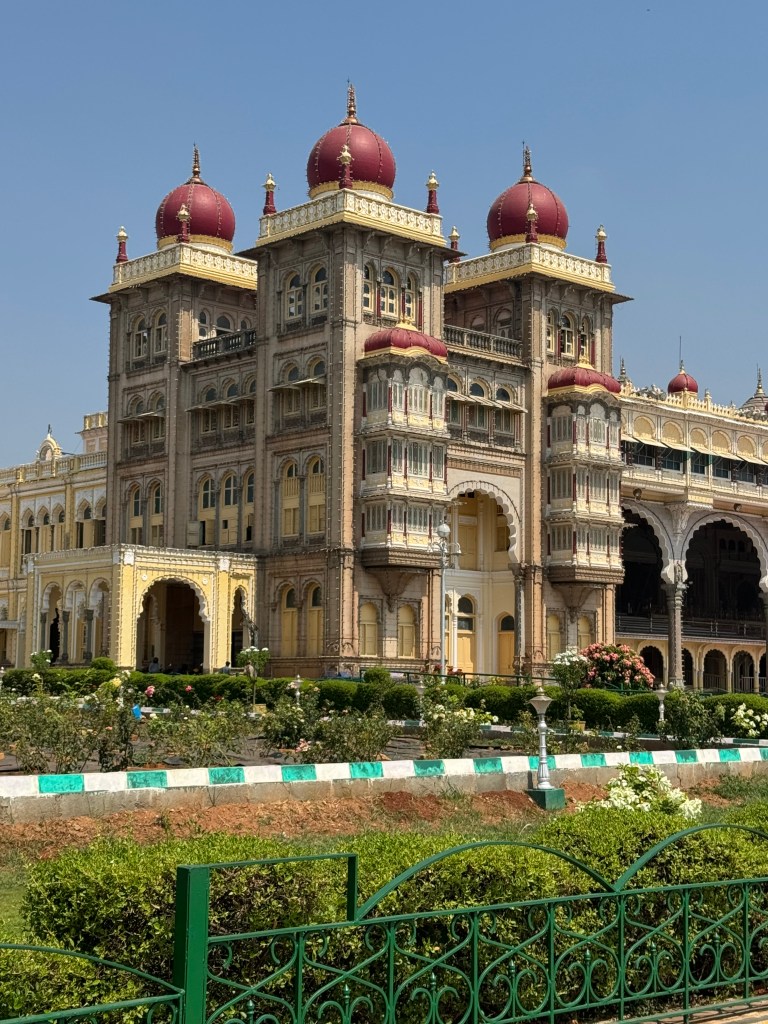
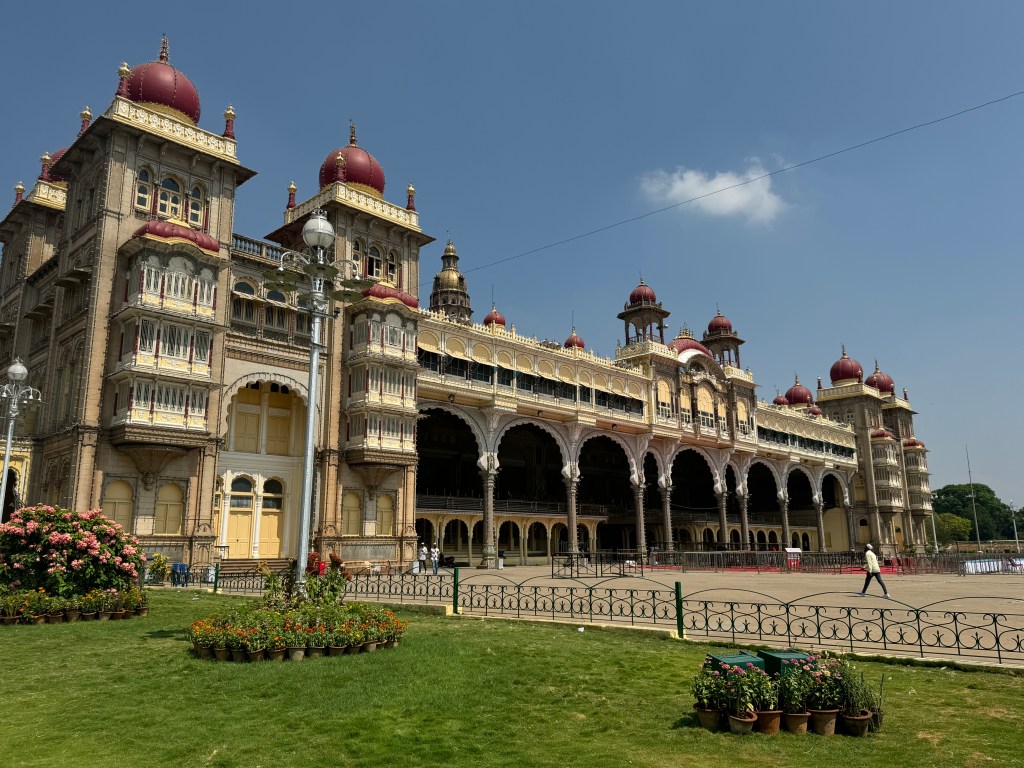
The outside of the palace is a stunning example of Indian colonial architecture.



But it is in side when the real splendour becomes evident
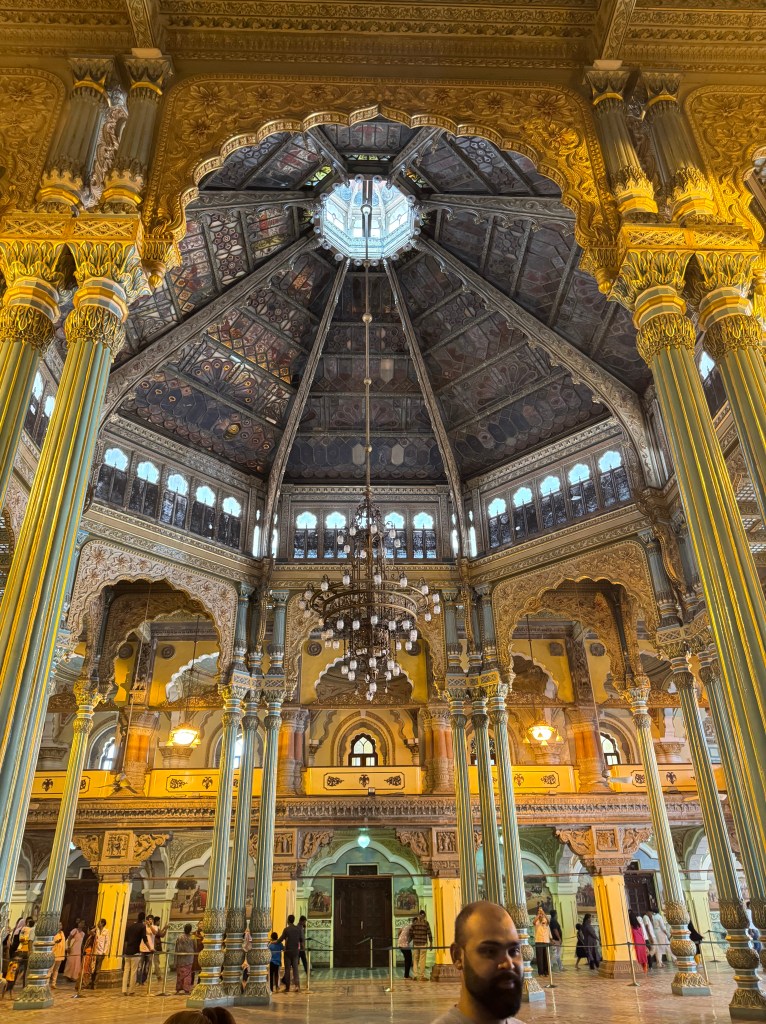
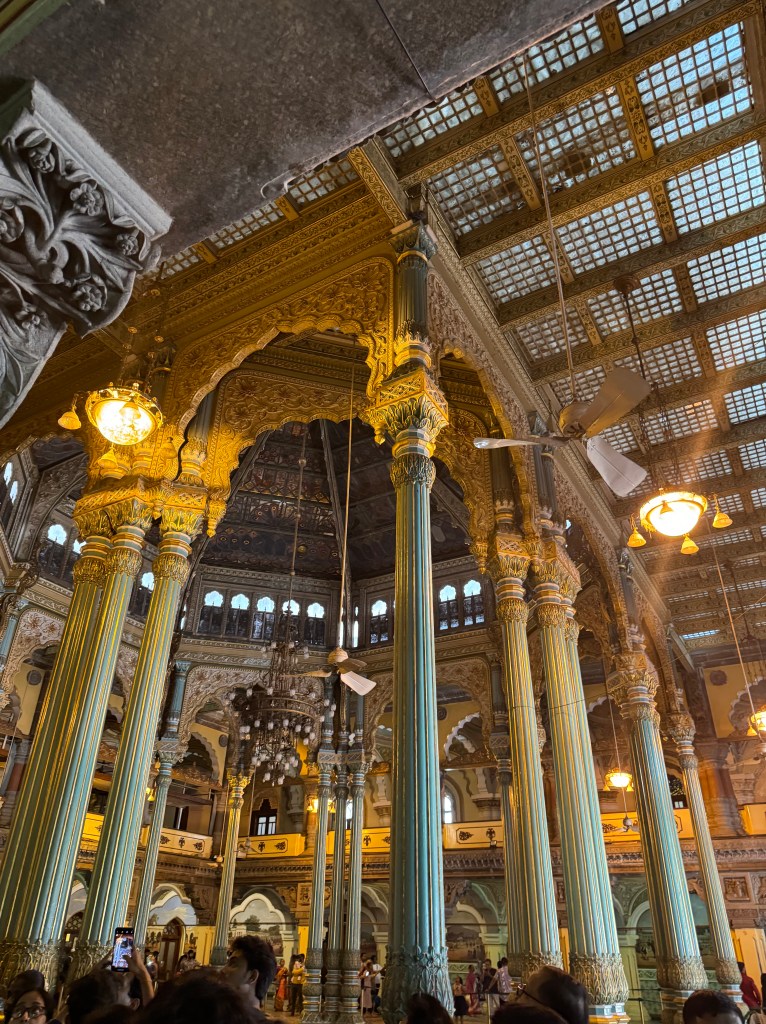
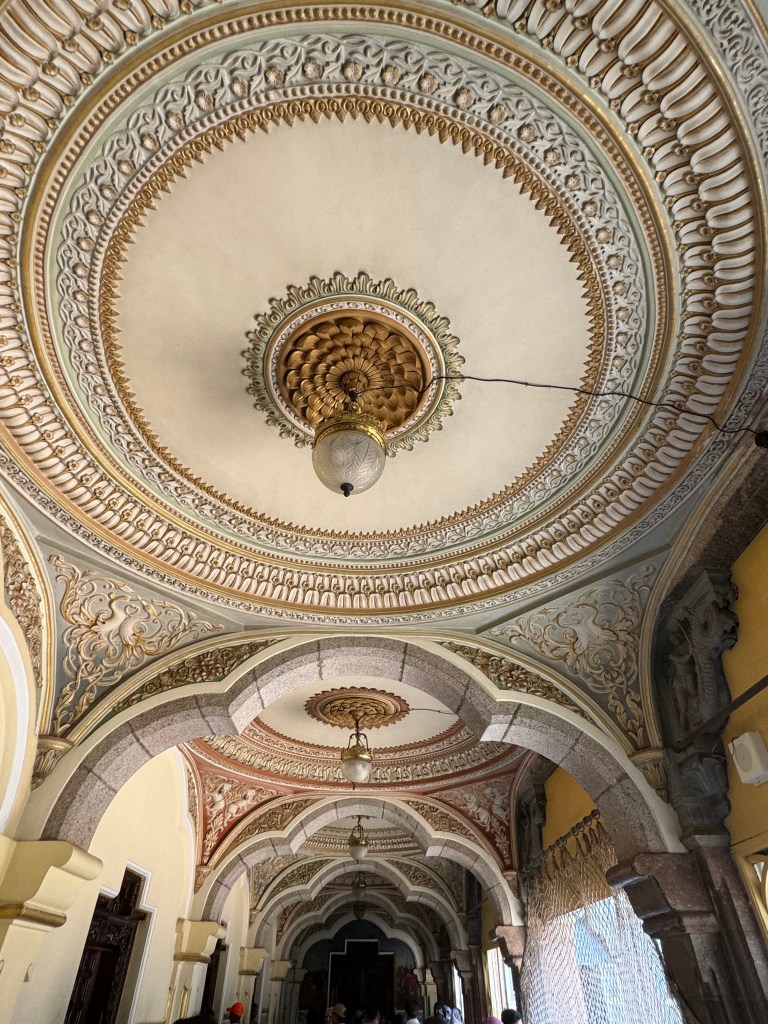

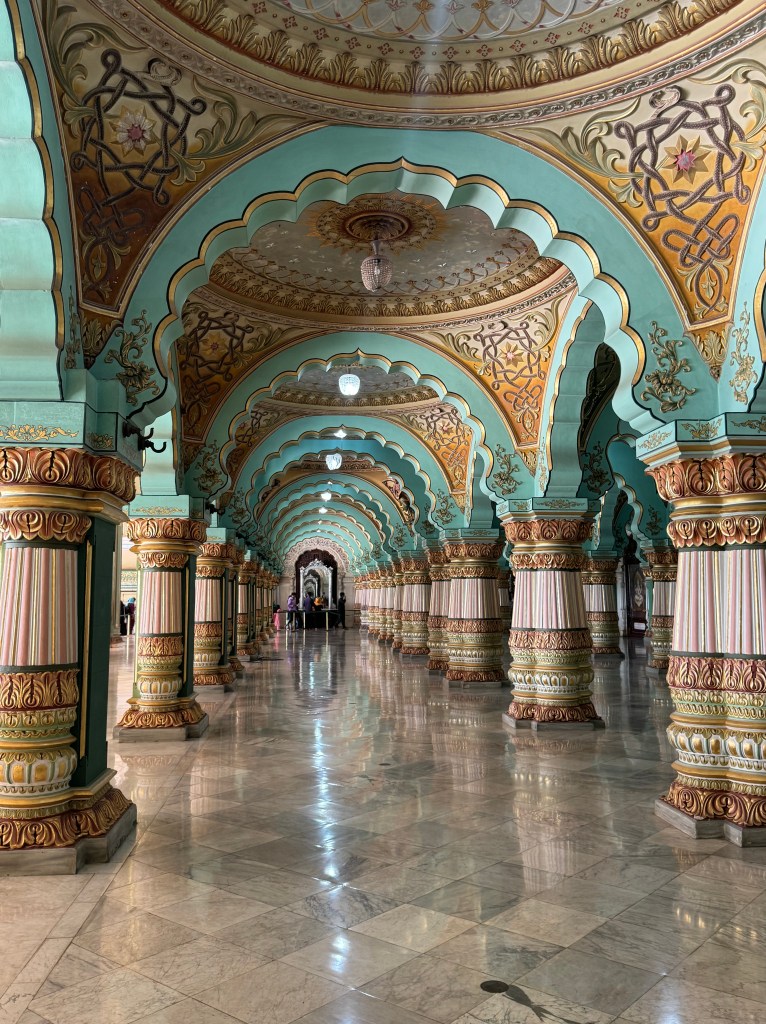


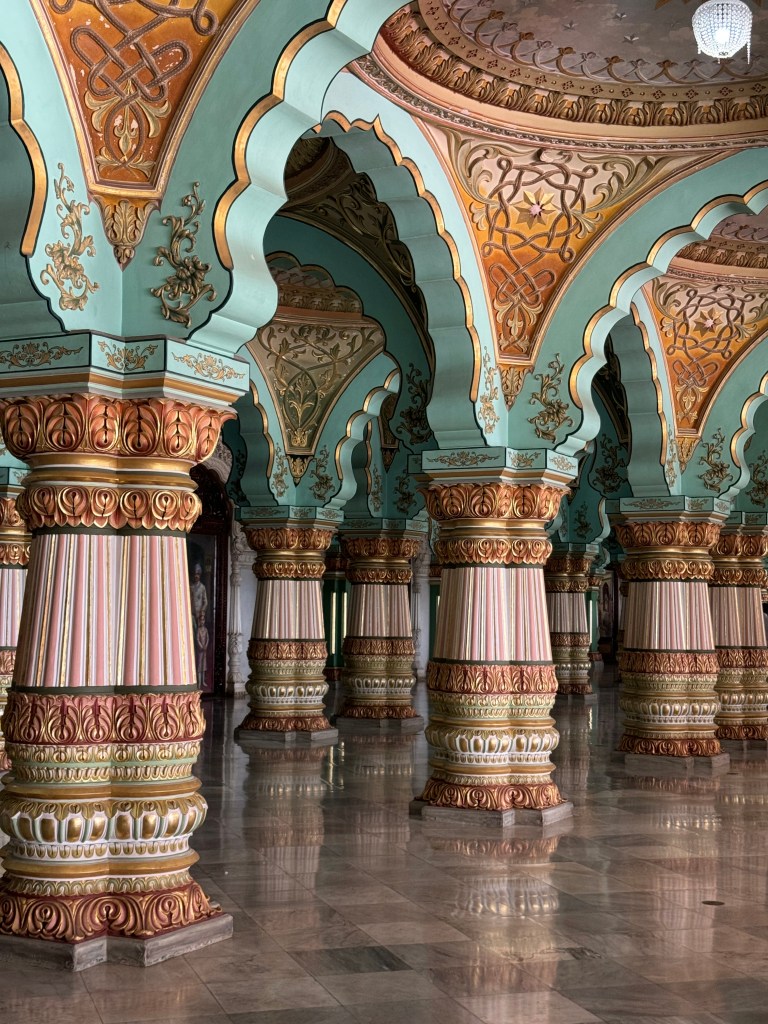

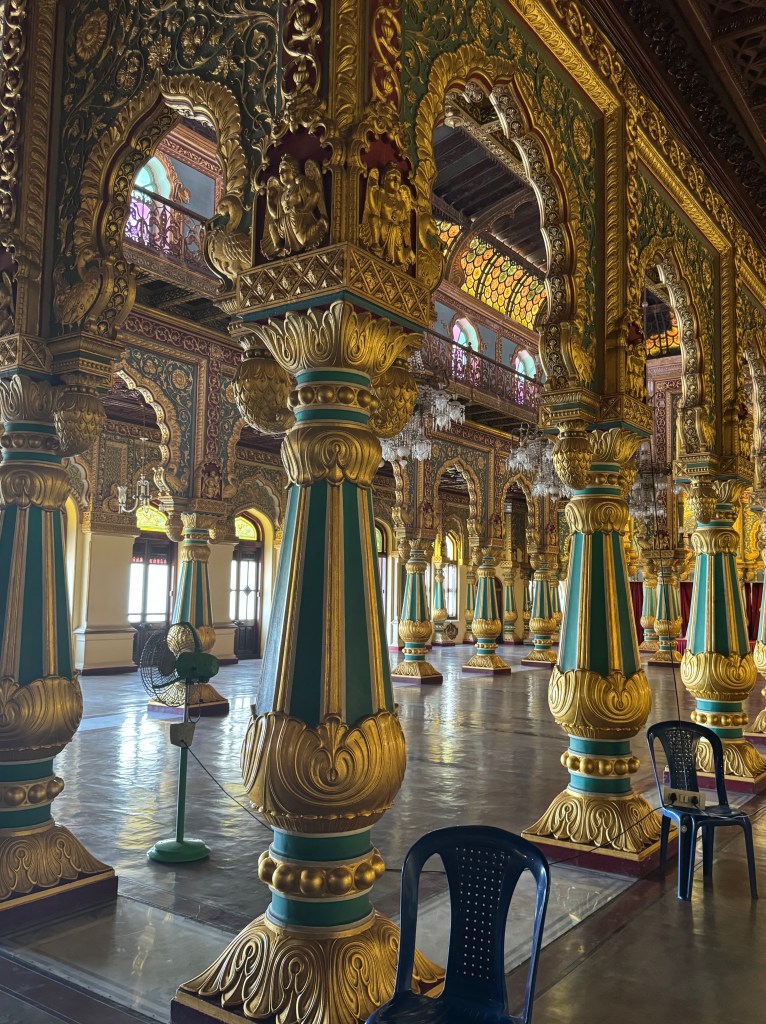
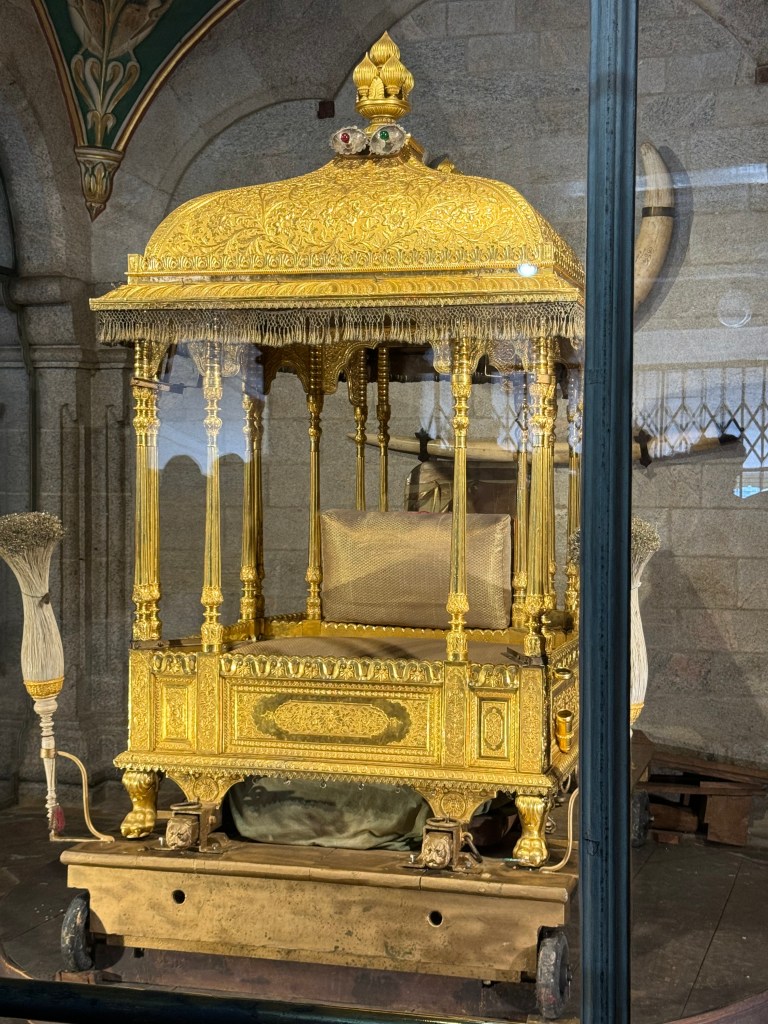
After wandering the halls in awe you then start to notice some of the details icluding the magnificent golden howdah. Given my complete antipathy towards religion I always surprise myself with how much of a sucker I am for an elephant headed remover of obstacles and bringer of good luck…Ganesha!



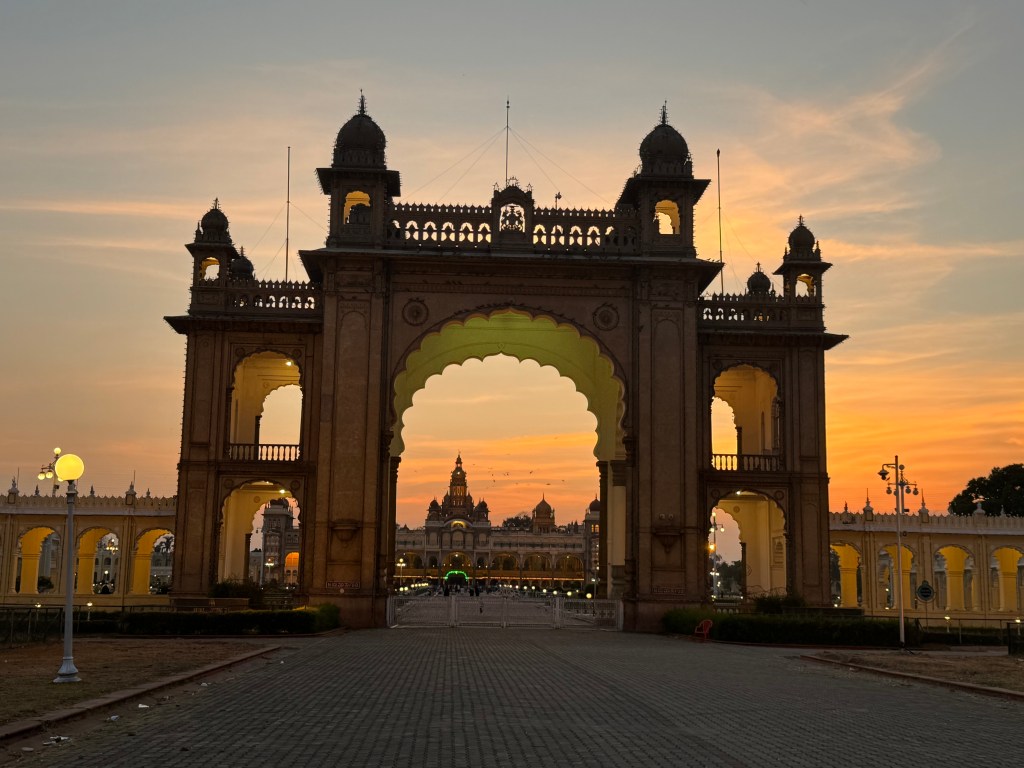
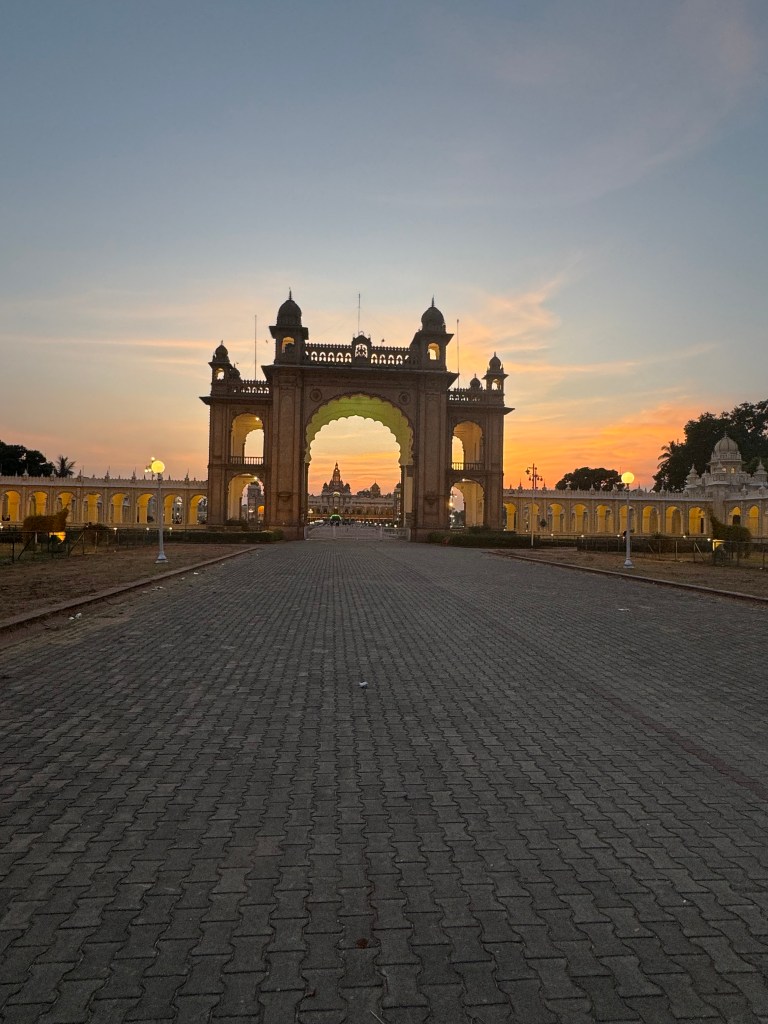
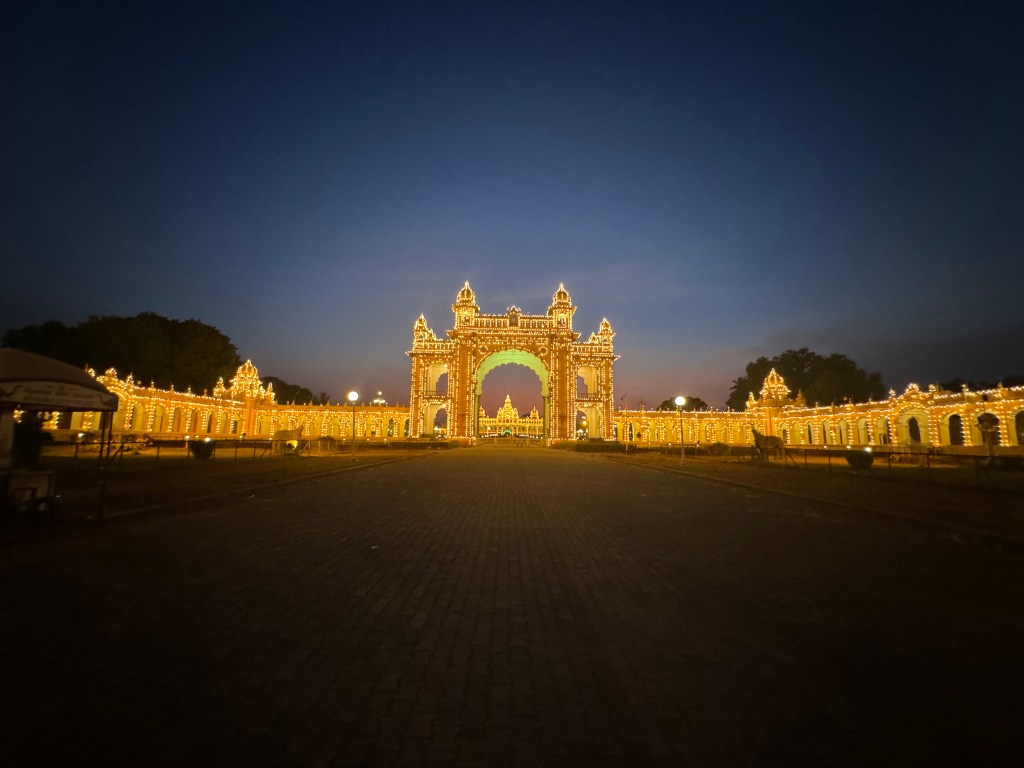
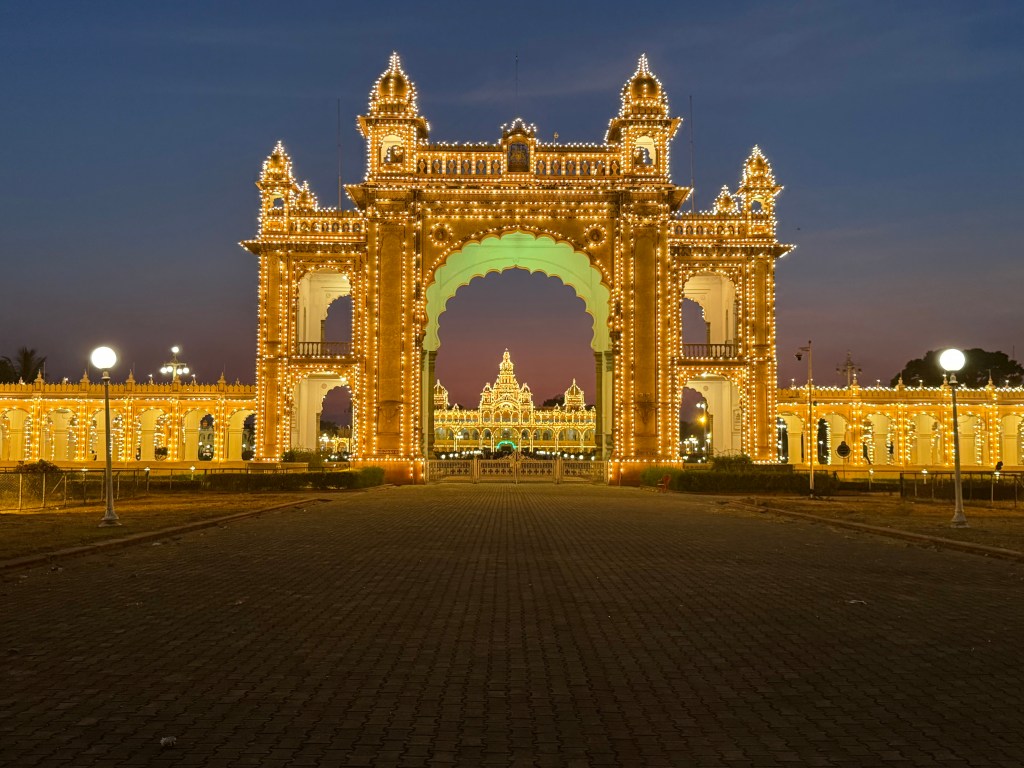
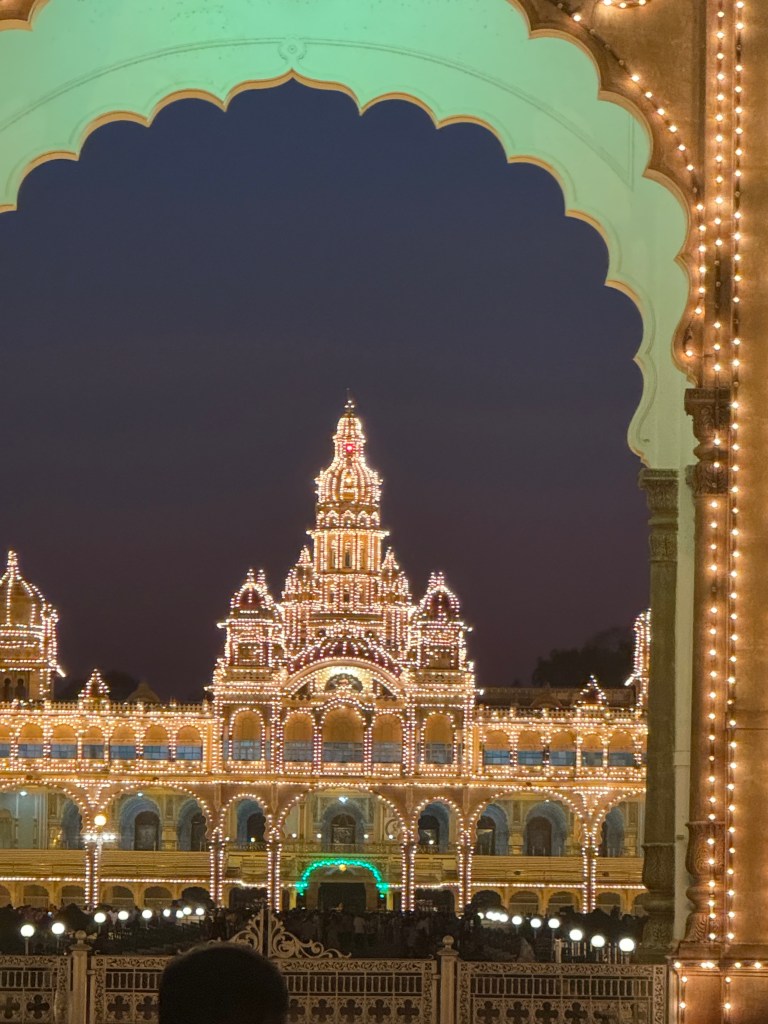
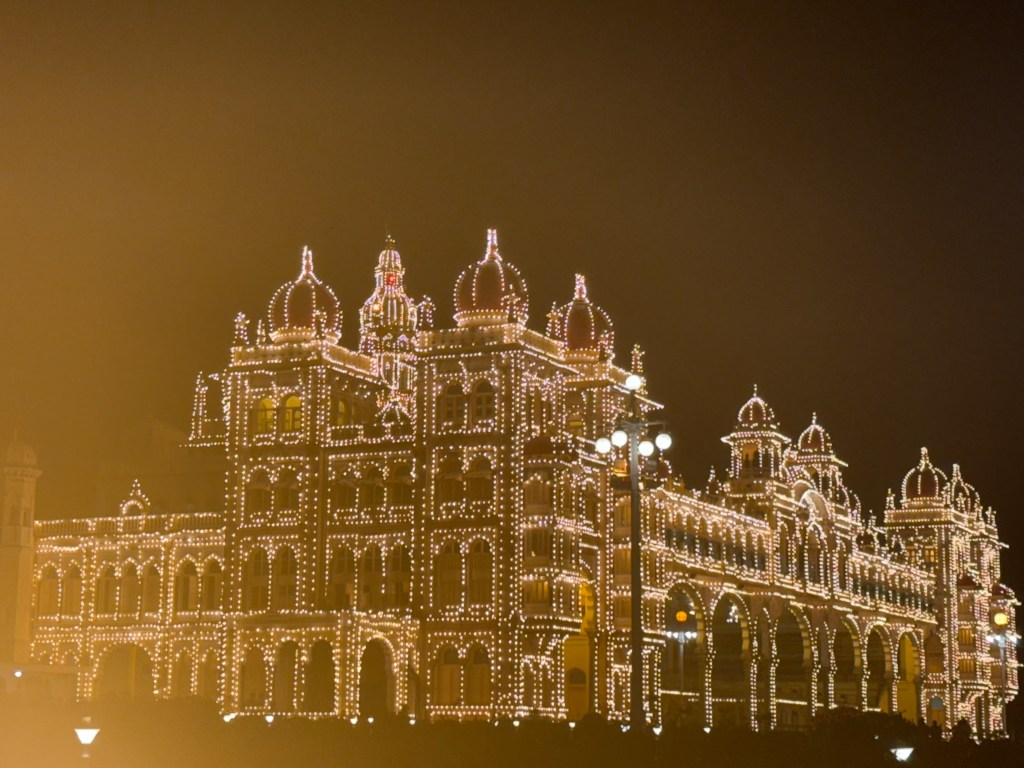
The exterior of the palace is adorned with 97,000 electric light bulbs and we would return later to see it illuminated.
Somnathapura Temple
We moved on to the world heritage site of Shri Chennakeshava Temple in Somnathapura situated 38km east of Mysore.
Consecrated in 1258ce by the Hoysala Empire it was extensively damaged in the 15th century and fully repaired in the 16th. Architecturally the temple is very reminiscent of Angkor Wat.

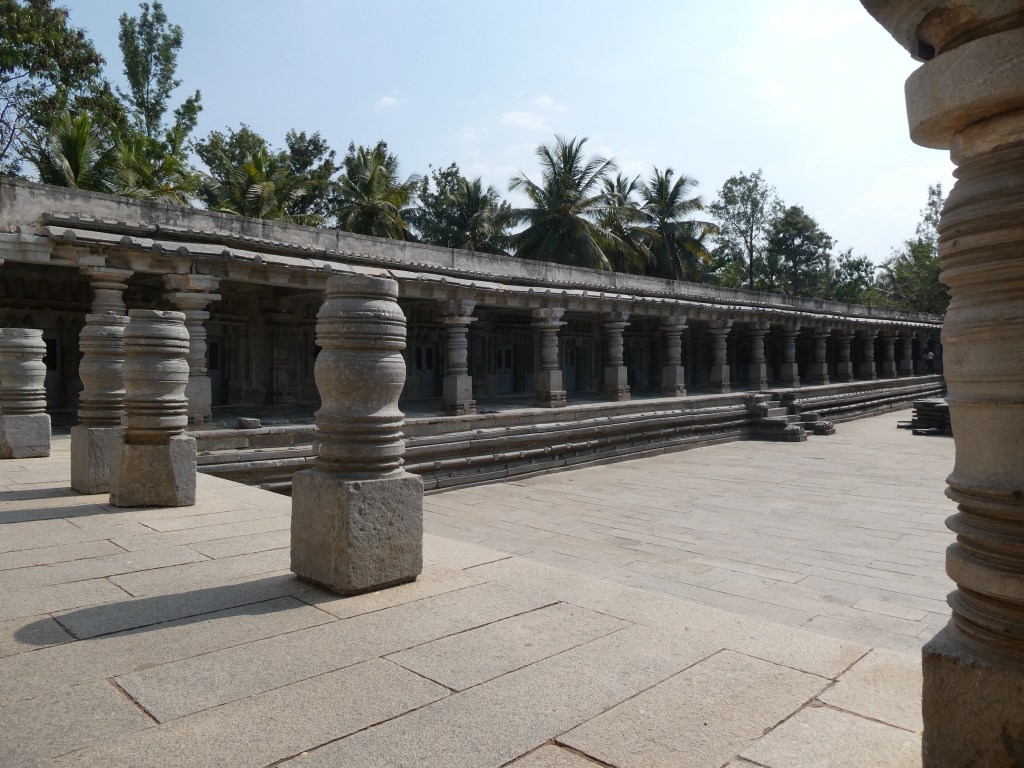
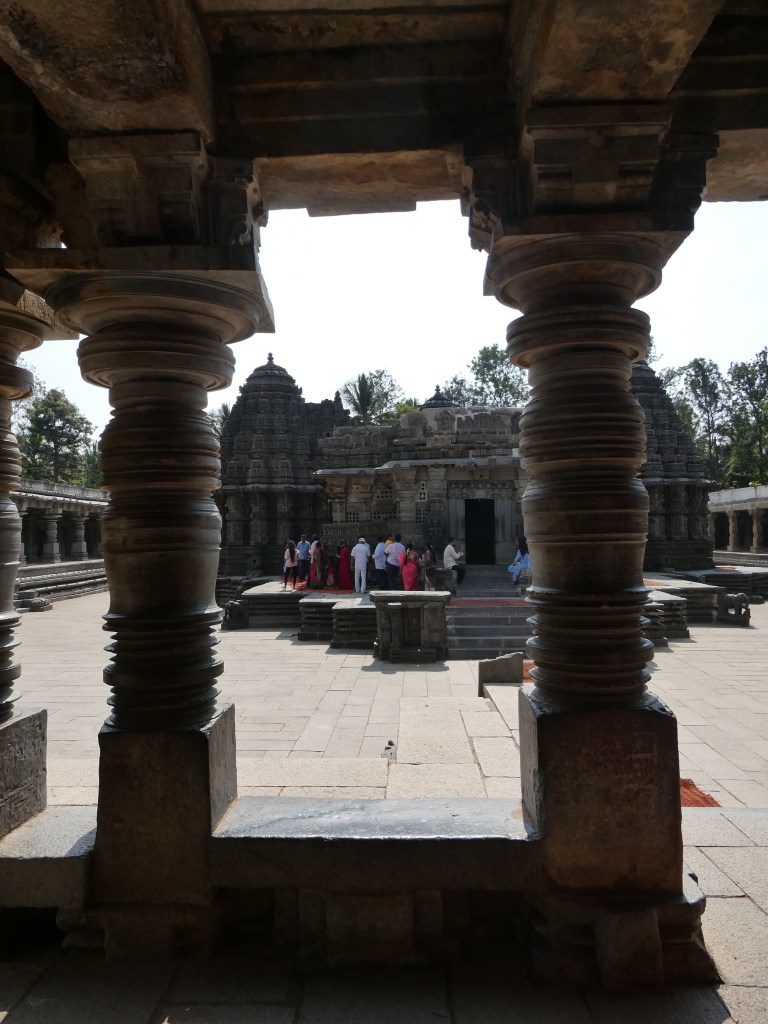

The external walls depict scenes from the Ramayana and the Mahabharata


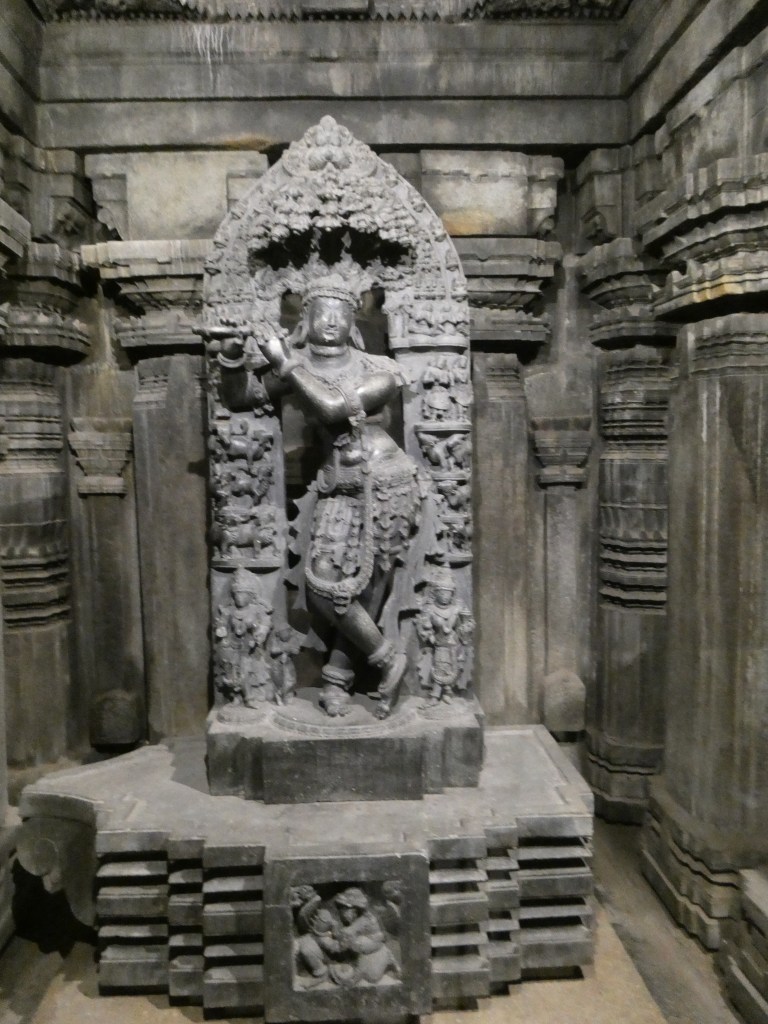
Inside are a series of carvings of Krishna


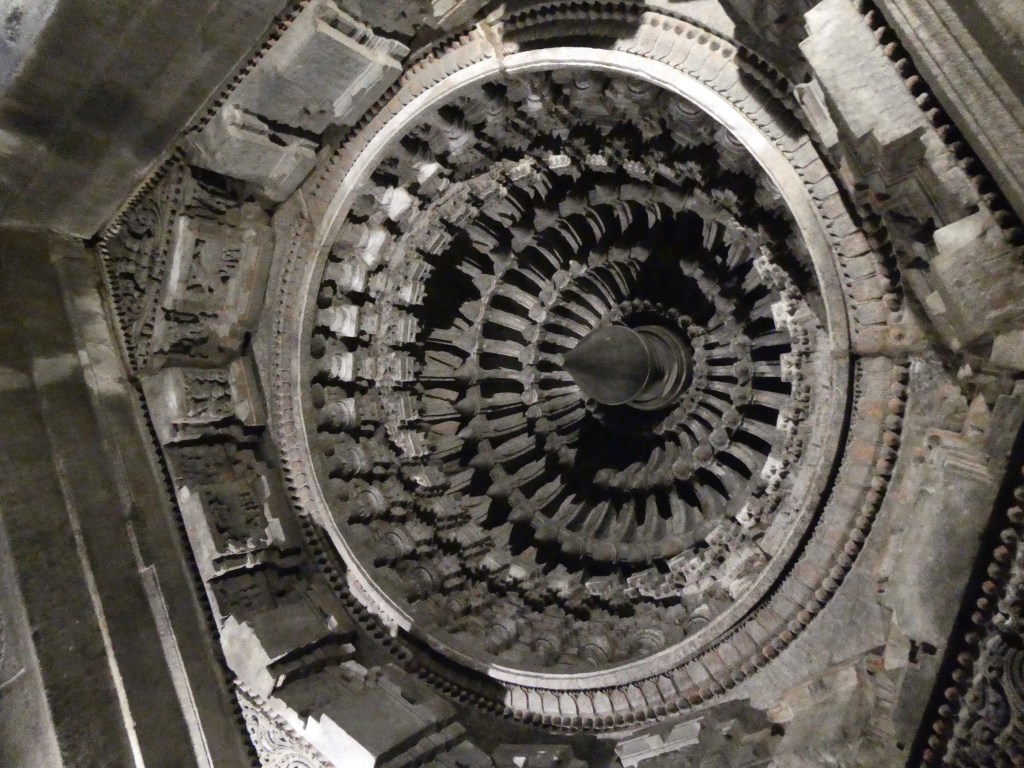
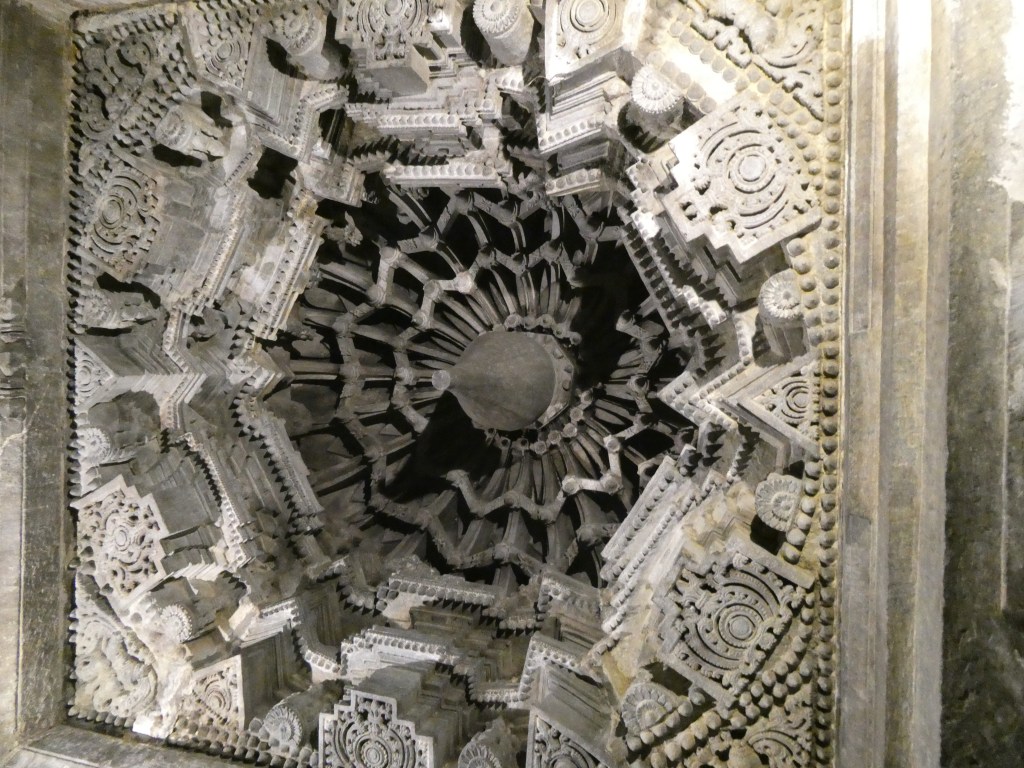
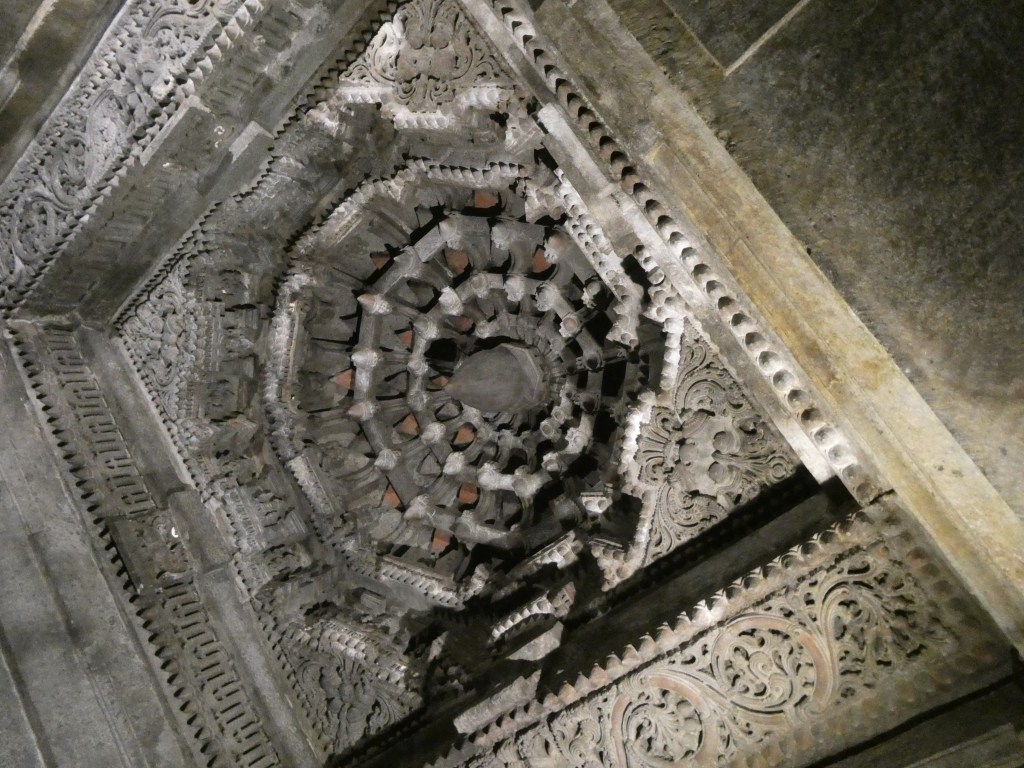
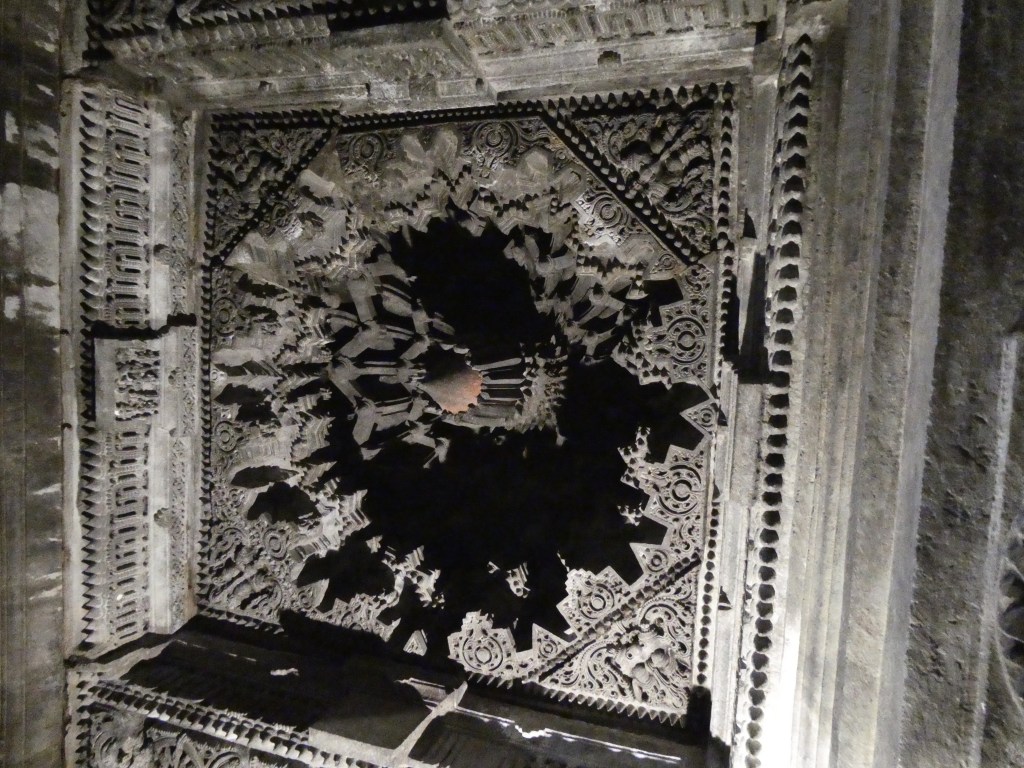
And the ceiling is carved to show the stylised stages of growth for the lotus flower
Mysore Palace Illuminated
After our visit to Somnathapura it was time to return to Mysore Palace for one of the undoubted highlights of the trip.
I’m not even going to try to describe this in words I will just leave it to the images



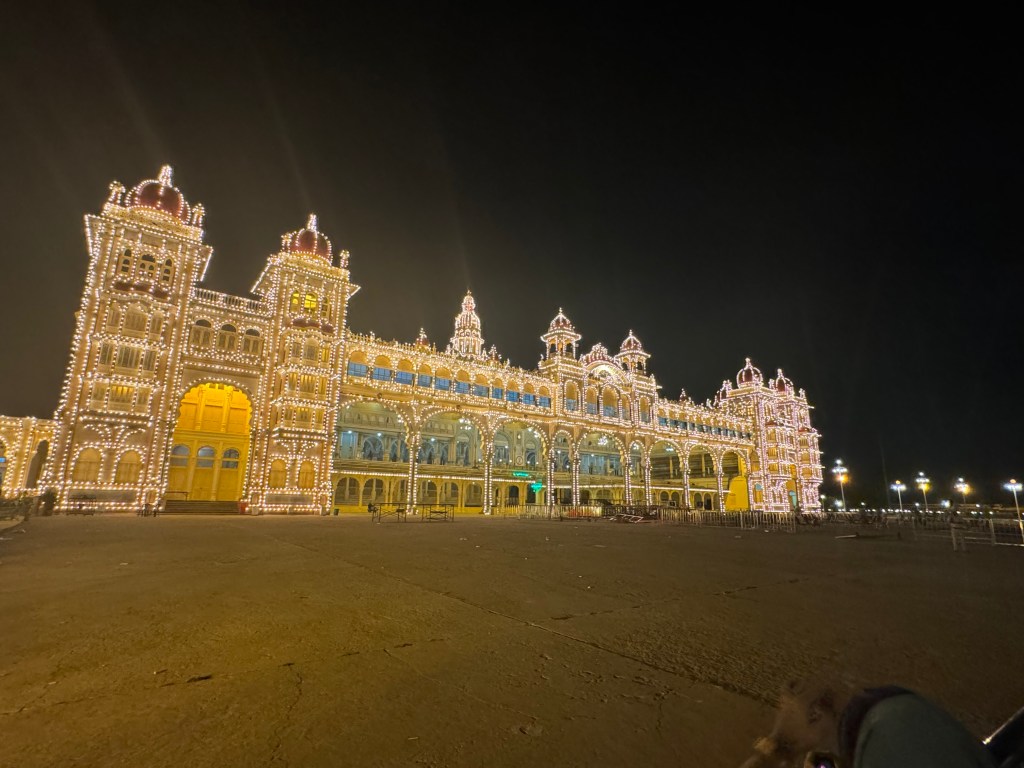

We certainly returned to our hotel suitably impressed…and late enough for the bar to be actually open (it failed to recognise that Brits abroad like to drink at all times of day not just after 5pm in the evening).
On to Tamil Nadu
Next morning we boarded the coach to not only leave Mysuru but also the state of Karnataka and headed into the Western Ghats bound for the hill station of Udhagamandalam (thankfully for us better known as Ooty)


The journey through the Ghats was beautiful but unfortunately non stop and pretty much impossible to grab decent pictures from a speeding coach window…well not exactly speeding on those mountain roads but you get what I mean.
However, we did manage to spot an elephant and get our first glimpses of the tea fields.
We arrived in Ooty and headed for our first stop to visit Saint Stephens Church. Unfortunately, the caretaker had other ideas as he had toddled off home leaving the church locked and inaccesible.
Oh well nevermind we still had the Botanical gardens to look forward to. Laid out in 1848 by the Marquis of Tweedale and were originally intended to supply Europeans living in the area with fresh vegetables for which the paid a subscription of 3 rupees per month.
The gardens are pretty enough in a sort of run down British flowerbed sort of way but in no way spectacular and because it was school holidays and very busy some jobsworth had decided to close all the glasshouses. In fact it was so busy that at least two of our group missed the entire visit waiting in the queue for the loo.
Oh well nevermind (again) we had been assured that the caretaker would have taken his afternoon nap and returned to Saint Stephens Church to welcome us with open arms. When we arrived the gates were still locked and the drivers helper was sent to enquire within.
From what I observed the caretaker had indeed returned and his arms were well and truly open…but not in welcome. With a good deal of poetic licence we were politely informed that the visit would not be possible due to circumstances beyond our guides control.
Nothing left for it but to head to the hotel for an evening of rest and relaxation where we were very pleasantly surprised by its colonial charm.
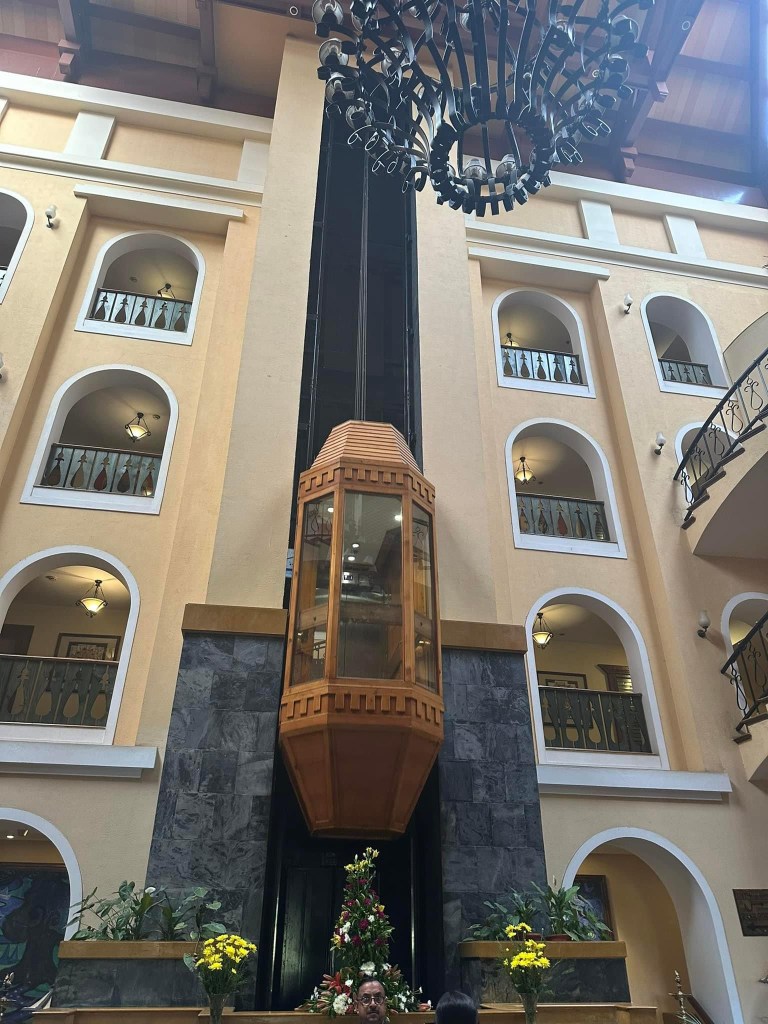

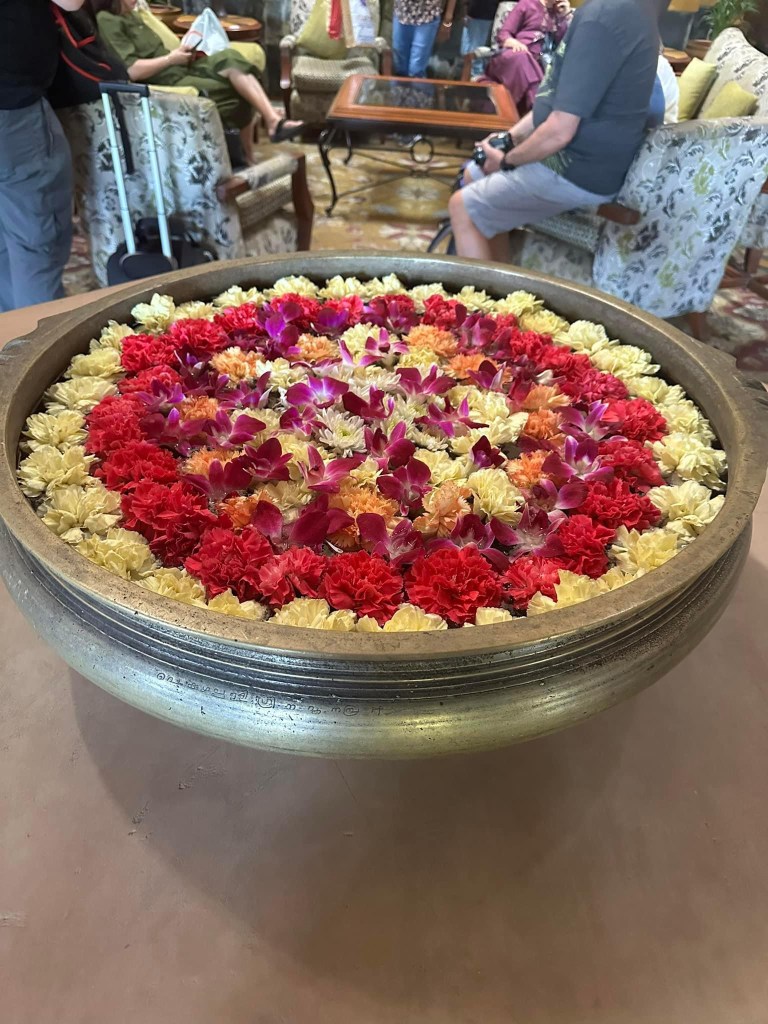
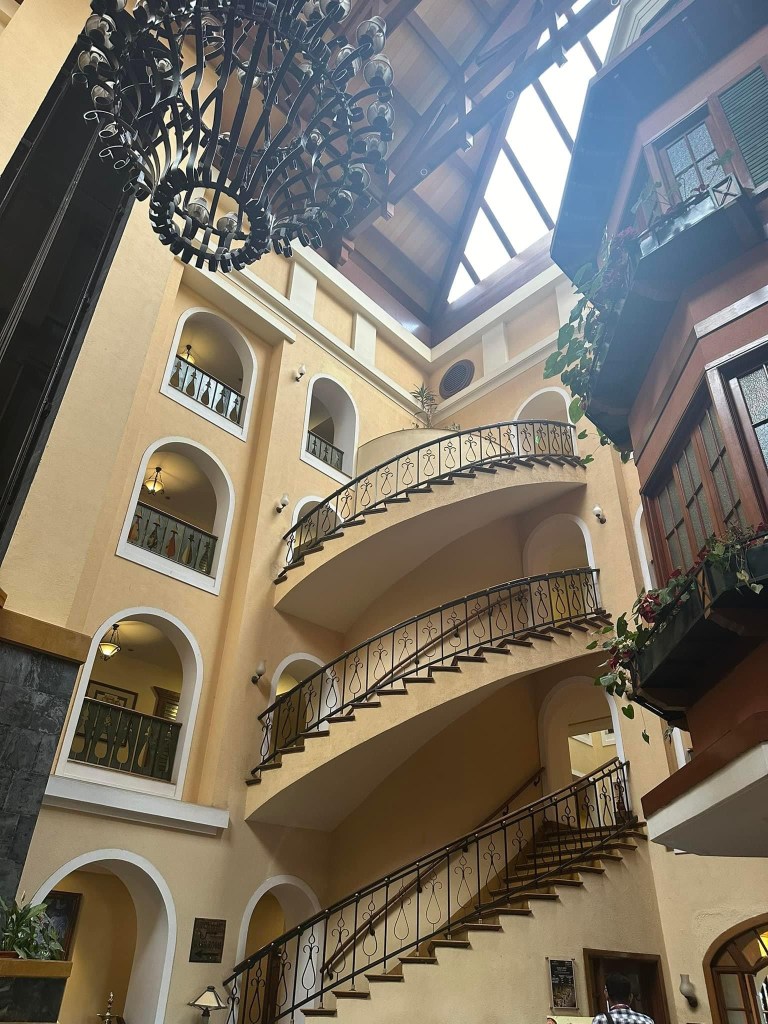
Having sqeezed two large suitcases and two human bodies into a very tiny but beautiful lift we found our way to our cosy room and prepared to relax before dinner. No sooner had we sat down than the phone rang and the receptionist informed us that our welcome drink was awaiting us in the lobby. Not being ones to ever turn down free drink we immediately headed back downstairs to discover that the welcome drink was in fact a cup of tea. Now we like tea but not enough to pass an open bar on our way to the cha wallah…and as they say say dear readers “the rest is history”
After a few jars, a pleasant dinner and another few jars we retired to bed with our thoughts that this probably wasn’t the finest day we’d had so far and hoping that it wouldn’t prove to be the highlight of the rest of this trip.
Coming next…The Nilgiri Mountain Railway and other delights (but sorry to say you will have to wait for Part 3 for that. (I did warn you that this would be a long hard slog with extended periods of inactivity between excitement and delight…a bit like this trip in fact. The good news is I’m aiming to finish off the India section of this blog before we head across the Atlantic to Canada and the east coast of the USA in september)





























































 Red Mist